
Suggestions from a seasoned Occupational Therapist Evanston, IL (and a slip-fall concussion survivor)
Working in healthcare for over 30 years, I have met many people who have had accidents in or around the home. Tripping over a dog leash, slipping on a wet floor, catching a toe on a carpet edge: scenarios I have learned about over the years when meeting clients who have tripped, fallen and sustained an injury.
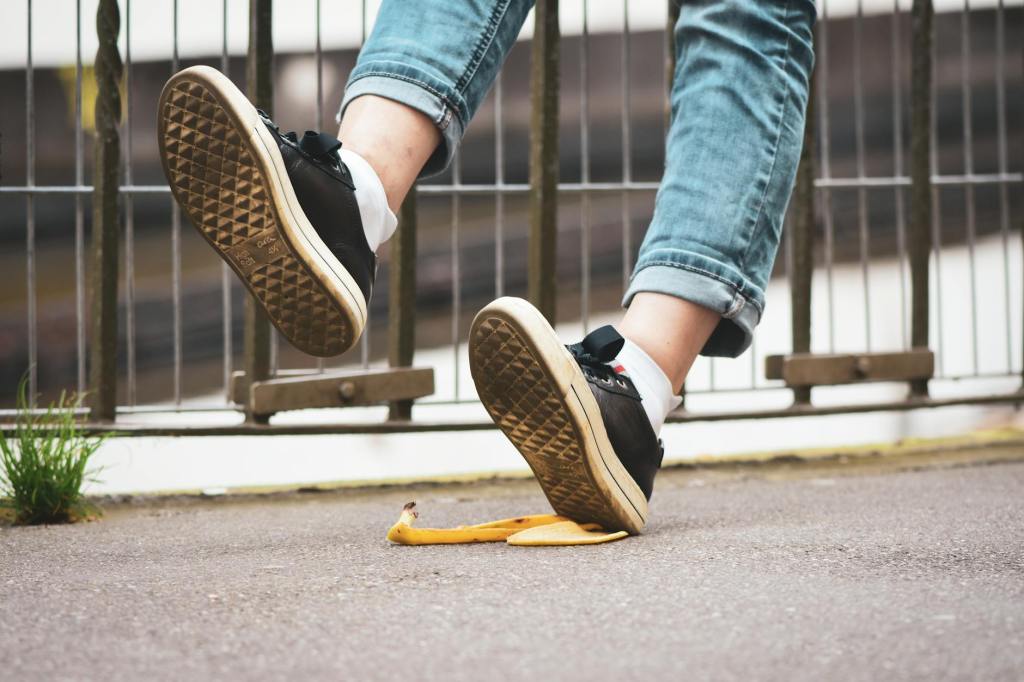
I, myself, once wiped out on a tile floor at home. I am not joking when I say it felt like I slipping on a banana peel in the old cartoons. My foot went out from under me, my leg kicked forward and in trying to right myself, slammed my forehead on the floor.
It was a routine day. I was getting ready for work and had no idea that stepping onto a glossy tile floor wearing only nylon stockings would set the stage for an accident. In a flash, I wound up with two black eyes and a nasty concussion that took months to overcome.
I was in my early 40’s, active and physically fit. I tell this story to alert that falls can happen to anyone. This post suggests that there are steps we can take to prevent them. I, for one, replaced that tile flooring and work to slow down when I have a lot on my mind.
Understanding Your Risk Factors
The first step toward prevention is to understand your risks. We know that under the following circumstances, fall risk increases:
- Poor eyesight
- Can make it difficult to see hazards if acuity is reduced
- Lower sensitivity to contrast can make it difficult to see changes in surfaces
- Low lighting reduces contrast even further
- Use of certain medications or recreational drugs
- Balance, judgment, or coordination can be affected
- Medications can interact with one another
- Can affect blood pressure, causing lightheadedness
- Balance difficulties
- Movement disorders can impair balance
- Vestibular disturbance can cause dizziness
- Stiffness from pain or arthritic joints can cause a lag in reaction time
- Generalized deconditioning when recovering from surgery can cause weakness that impacts balance
- Lack of physical exercise can also cause weakness of muscles responsible for balance
- Neuropathy
- Numbness and/or tingling as a medication side effect or due to conditions such as diabetes impairs the body’s ability to sense joint position in space (proprioception), increasing fall risk
- Anxiety, depression, or stress
- May distract or reduce focus and attention to hazards
Preventing Falls and Staying Healthy
There are several steps you can take to address the above circumstances:
- Stay active
- Take part in social and recreational activities to help with physical fitness and mental health
- Engage in fitness activities that are enjoyable and make a plan to participate regularly
- Weight-bearing exercises are important for bone density and can be as simple as taking a walk
- Everyday activities such as tending a garden or cooking a meal are a great form of exercise
- Strengthening exercises do not have to be done at a gym—activities such as Tai Chi or yoga can be done in the home; many video demonstrations are available
- Include stretching before and after activity
- Consult with a physical or occupational therapist to create a safe and personalized plan
- Take medications correctly and be responsible with recreational habits
- Follow instructions on your prescriptions; for example, some medications absorb faster on an empty stomach and can cause adverse effects
- Make sure your doctor and pharmacist know all the substances you’re taking to avoid negative interactions
- Get regular check-ups
- Annual physicals, vision, and hearing exams can identify issues that need correcting
- Talk to your doctor if you feel dizzy or unsteady to determine the cause
- Occupational Therapy can help design a strengthening program or teach compensatory strategies if weakness or balance is a concern
Eliminate Hazards in the Most Common Place People Fall: Inside Your Own Home
In General
- Wear shoes in the house, or house slippers with a tread that fit snugly around the whole foot. Avoid loose slip-on styles. Do not walk barefoot. Do not walk with slick socks.
- Change positions slowly. When moving from lying down to standing, sit at the edge of the bed and “march” in place for a minute or two to help raise blood pressure
- Avoid going long periods without eating or drinking to prevent dehydration or blood sugar drops
- Ensure your home is well-lit.
- Use reacher tools and grabbers for high or low items. Place heavy items on lower shelves.
Using Assistive Technology and Home Modifications
- Motion-activated night lights to illuminate dark hallways or bathrooms.
- Smart home systems like voice-activated lighting, automatic shut-off appliances, or wearable fall detection devices.
- Lever-style door handles, long-handled tools, or adaptive kitchenware can reduce strain and help maintain independence.
Around the Home
- Rugs should be tacked down and secure from slipping; avoid small throw rugs.
- Ensure stairway handrails are secure.
- Be aware of pet locations to avoid tripping.
- Keep hallways and walkways free of clutter.
- Have a flashlight easily accessible.
- Use a sturdy step stool with a handle for overhead reaching. Never stand on a chair.
Room-by-Room Tips
Bedroom
- Replace old, sagging mattresses with firm, supportive ones for easier mobility and better joint support.
- Keep a lamp within reach of the bed.
- Keep your mobile phone easily accessible.
- Secure and organize charging cables to avoid tripping.
Bathroom
- Install grab bars (professionally) in the tub, shower, and toilet areas. Never rely on towel bars or soap dishes for support as these are not secured with hardware meant to bear weight.
- Use non-slip adhesive strips in the tub or wear water shoes for grip.
- Use a tub bench and handheld shower if your balance is compromised.
- Sit rather than stand when bathing if needed.
- Consider a raised toilet seat if standing from a low height is difficult.
- Install grab bars next to the toilet for easier transfers.
- Any rug outside the tub or shower must have a non-slip backing; avoid using towels or loose mats.
Outside the Home
- Be mindful of icy, wet, or uneven surfaces
- Use de-icing salt or textured sand in colder months
- If stairs are painted, ensure they are coated with textured, non-slip paint
- Paint the edges of stairs with a contrasting color or apply adhesive rubber stripping for visibility
- Keep landscaping trimmed and walkways clear
Final Thoughts
Falls are not an inevitable part of aging. They are often preventable. Falls are accidents: we do not plan to experience them, however, a few simple changes to your environment and lifestyle can significantly reduce your risk. Start small, stay consistent, and ask for help when needed. Coming to Occupational Therapy can help to develop a plan for your safety and wellness.
Stay Steady, Stay Safe: Tips from an OT to Promote Aging in Place
Need an Occupational Therapist in Evanston, IL? Click the link for my website and make an inquiry about occupational therapy services for clients in the Chicago area and North Shore.
 Flourish Recovery & Wellness