
For Injury-Free Outdoor Joy
As the days grow longer and gardens come to life, many of us head outdoors to plant, prune, and tend to our green spaces. Gardening can be deeply therapeutic, but it can also pose risks to your body, especially if you’re dealing with arthritis or tendinitis or managing a condition like lymphedema. Repetitive motions, awkward postures, and heavy lifting can take a toll on the hands, shoulders, and back. Repetitive strain injuries are common among hobby gardeners.
Here are practical, therapist-approved strategies to make gardening safe and enjoyable—from body mechanics and tool recommendations to lifting tips and protective gear.
Ergonomic Gardening Basics
Work Smarter, Not Harder:
- Use long-handled tools to reduce the need for bending and reaching.
- Choose lightweight tools with padded, non-slip grips to protect hands and wrists.
- Elevate your workspace with raised beds or vertical planters to avoid crouching.
Pay Attention to Posture:
- Keep your spine neutral and shoulders relaxed. Avoid twisting—pivot with your feet.
- Alternate tasks frequently to reduce strain on specific joints or muscles.
- Take breaks every 20–30 minutes to stretch, hydrate, and change positions.
Listen to Your Body:
- Gardening is the kind of activity that seems to give you endless things to do. There is always one more weed to pull or one more branch to prune.
- Set a timer to ensure that you are taking breaks.
- A tip that I often recommend is to prepare a refreshing cold beverage that you enjoy, perhaps lemonade, iced tea or cucumber water. When your timer rings, take a moment to sit and enjoy your beverage. Your body may then alert you that it is time to take a break or you may decide that you feel refreshed to continue.
- Ergonomic Tools That Make a Difference
Using the right tools can significantly reduce strain and fatigue. Look for these features when selecting gardening tools: - Pistol-grip pruners and shears: Reduce wrist strain by allowing you to keep a neutral wrist position.
- Curved, padded handles: Help maintain a natural wrist angle and reduce pressure points.
- Lightweight materials: Tools made of aluminum or fiberglass reduce load on hands and arms.
- Extendable or telescoping handles: Allow for adjustments in reach, reducing the need to stoop or stretch.
- Ergonomic trowels and cultivators: Designed with broader handles and angled heads to improve leverage.
- Wheeled carts or garden seats: Make it easier to move tools and plants, and reduce time spent kneeling.
Test tools in the store when possible to assess comfort and grip size. Ill-fitting tools can contribute to repetitive strain and joint stress. If price is a concern as you replace tools, start with one or two key tools. These also make excellent gifts, so make a list and ask family/friends if a gift-giving occasion is coming up.
Safe Lifting for Gardeners
Improper lifting is one of the most common causes of back and shoulder injuries. Use the following guidelines to protect yourself:
Plan Ahead:
- Test the weight before lifting.
- Clear your path and use assistive devices such as carts or wheelbarrows for heavier items.
Lift With Your Legs, Not Your Back:
- Squat down by bending your knees and hips, keeping your back straight.
- Hold the object close to your body as you stand up.
- Never twist while holding a load—pivot your feet instead.
Don’t Be Afraid to Ask for Help:
When a task feels too heavy or awkward to manage alone, enlist help to reduce the risk of injury.
Protective Gear for Gardeners
Wearing the right gear can prevent both injury and irritation during gardening activities. Sharp objects can become buried in soil, so especially take care if working in an unfamiliar garden bed.
Gloves:
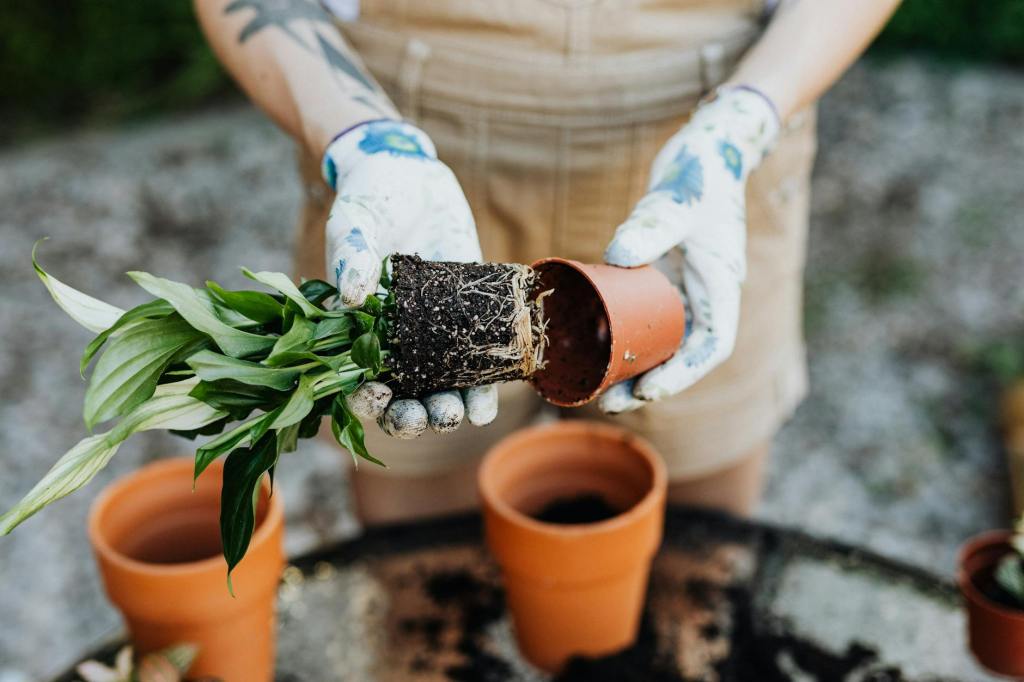
Choose puncture and moisture-resistant gloves to protect against cuts, infections, and blisters.
One brand is called Foxgloves which are a nice quality glove, available online. The Works glove has padding where the hands need it and offer protection to the skin.
Knee Protection:
- Use cushioned knee pads or a garden kneeler to reduce stress on your knees and minimize swelling.
- Consider using a rolling garden stool for mobility and comfort.
- Remember, gardening can be a life-long hobby, so protect those joints now for the long term.
Stretch and Strengthen to Prevent Injury
- Warm up before gardening, at a minimum by performing gentle range of motion to the joints in the body
- Aerobic warm ups can help the muscles prepare for the task at hand
- Participating in fitness classes such as yoga can help prepare the body for the bending, stretching and reaching demands of gardening.
- Strengthen your hands, arms, and core muscles with resistance exercises to build endurance and stability.
- Cool down after gardening with forearm stretches, spinal twists, and breathing exercises to aid recovery.
Final Thoughts
Gardening should be a source of wellness, not injury. With the right ergonomic tools, safe body mechanics, and protective gear, you can continue to enjoy your time outdoors without compromising your health.
Let’s help you keep doing what you love, safely and confidently. Enjoy your garden this summer, free of injury.
Cultivating Wellness: How to Garden Smart with OT Know-How
 Flourish Recovery & Wellness