
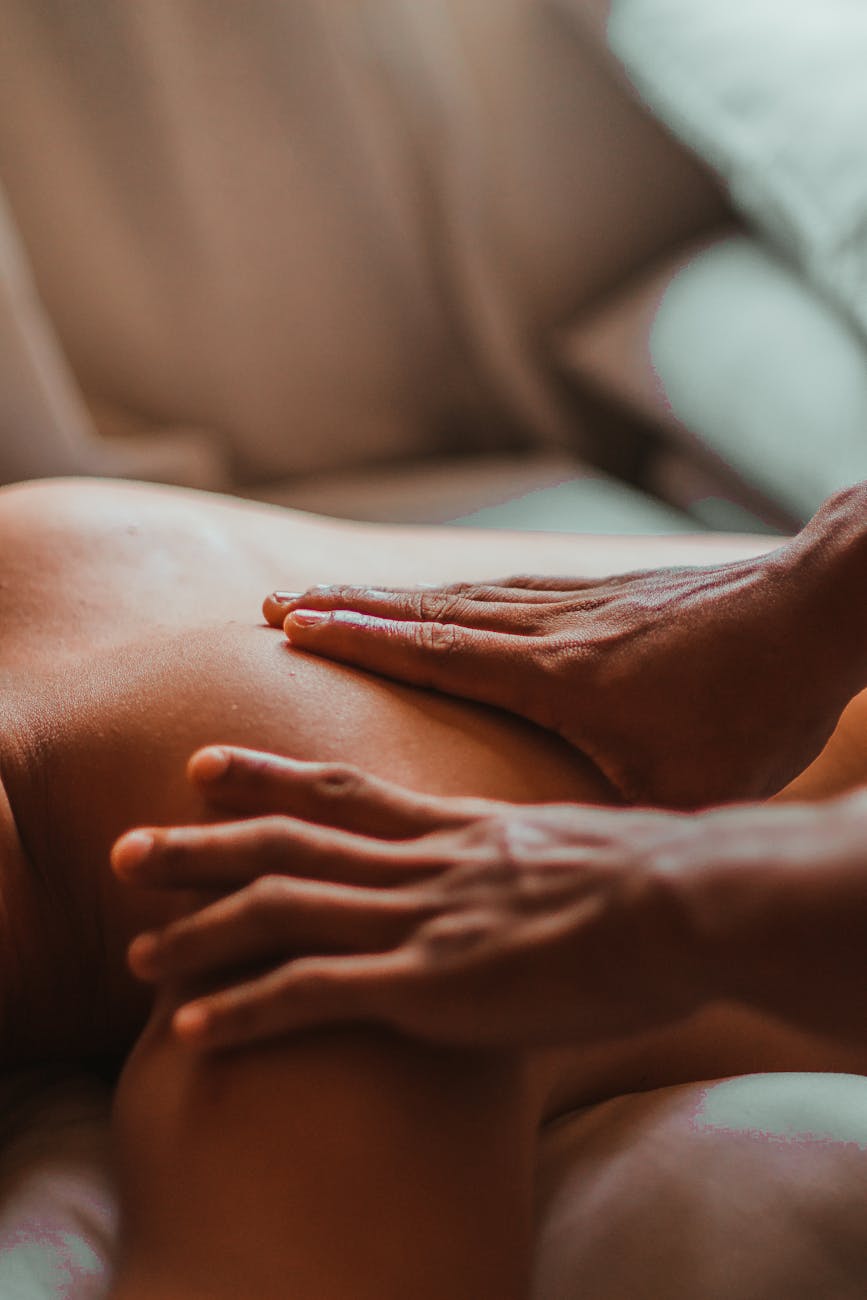
Supporting recovery, comfort, and healing through specialized hands-on treatment
Surgical recovery is more than just waiting for wounds to close. Post-operative healing is a complex process that often includes managing swelling, pain, and tissue sensitivity while working to restore function and comfort. One therapeutic approach that supports this process is Manual Lymphatic Drainage (MLD,) a gentle, specialized hands-on technique designed to support the lymphatic system and promote optimal healing.
What Is Manual Lymphatic Drainage?
MLD uses light, rhythmic movements to stimulate the natural flow of lymphatic fluid. The lymphatic system is a vital part of the immune and circulatory systems, responsible for removing waste, reducing inflammation, and transporting essential nutrients and immune cells.
Following surgery, lymphatic flow can become disrupted or sluggish, contributing to swelling, tissue congestion, and discomfort. MLD helps restore balance by encouraging the movement of fluid away from swollen or tender areas and back into circulation.
Benefits of MLD After Surgery
Reduces Post-Surgical Swelling
Swelling, or edema, is a natural part of healing, but excessive or prolonged swelling can delay recovery and increase discomfort. MLD encourages the reabsorption and drainage of excess lymphatic fluid, helping to reduce inflammation, improve range of motion, and promote a more comfortable healing process.
I’m happy to begin MLD treatment immediately after surgery, but wait until the surgeon allows treatment, which is usually after the first post-operative follow up visit. When going to that follow up visit, ask the surgeon for clearance to begin MLD. If areas of incisional healing are present, we work around them.
Minimizes Scar Tissue Formation
MLD supports the health of the skin and underlying tissues, which can contribute to a more favorable healing environment. MLD reduces the body’s inflammatory response. By reducing tissue inflammation, decreasing fluid buildup and encouraging cellular turnover, MLD helps minimize the formation of dense scar tissue, decreases adhesions, and improves the texture and appearance of surgical scars over time.
While the body has capacity to effect scar tissue changes over time, I see that MLD speeds up the process referred to as “scar remodeling”. By expediting scar remodeling, you are able to move more comfortably, sooner, resulting in more suppleness and pliability of the scar which helps it to flatten and fade.
Supports Neural Quieting for Pain Management
Surgical sites are often hypersensitive in the early stages of recovery. Gentle, repetitive movements used in MLD can help calm the nervous system. This process (known as neural quieting) reduces the intensity of pain signals and helps the body shift from a state of heightened alert to one of healing and restoration.
These body states are called: “Fight or Flight,” the heightened state, and “Rest and Digest,” the calm state. Clients report feeling deeply relaxed or soothed during and after sessions. With MLD, the parasympathetic nervous system is activated while the sympathetic system is inhibited. Quieting the sympathetic division of the nervous system is key for pain management.
Promotes Circulation and Immune Function
By enhancing lymphatic flow, MLD also supports immune efficiency and tissue nourishment. All are essential components of a healthy recovery. Improved circulation can decrease risk of infection, speed up the removal of waste products, and help tissues rebuild more effectively.
Stagnation of lymph fluid leads to tissue stiffness, skin tightness or a feeling of “hardness” in the surgical area. Promoting lymph flow alleviates these uncomfortable sensations to allow you to return to day-to-day activities with greater ease.
The Magic of the Lymphatic System
Most of us do not realize that our lymphatic system is responsible for healing, waste-management and immune response. We’ve seen the lymphatic system in action when we developed a blister from a new pair of shoes. The fluid in the blister is clear, yellowish and a little bit sticky. This lymphatic fluid or lymph, cushions and bathes the injured tissue with protein-rich fluid to promote healing. This is the tissue nourishment function of the lymph system.
We’ve also seen the lymph system in action when we develop a bruise after bumping into something. Following injury, the lymphatic system’s waste management function is called to action and works to resorb the collection of blood under the skin. When you notice the bruise fading or changing colors, you actually see the lymph system in action. This is the waste management function of the lymph system.
Another way we’ve seen the lymph system in action is when we have a cold or a sore throat. We go to our doctor who puts their hands on our neck and throat and may say: “You have swollen glands”. The doctor actually feels an inflamed lymph node (which is actually NOT a “gland”.) This reactive lymph node is creating immune defense against the germ causing your cold or sore throat. The lymph nodes produce and distribute immune defense cells to fight infection. The nodes are a station of filtration, cleansing the body and returning pure fluid to the blood stream.
When we promote lymphatic function, we allow the amazing body to support us during a time of healing. To me, it’s like magic.
Is MLD Right for You?
MLD can be beneficial following a variety of surgeries, including:
- Orthopedic procedures (e.g., fracture stabilization)
- Aesthetic plastic surgeries
- Breast surgery (lumpectomy, mastectomy, reconstruction)
- Excess skin removal following weight loss
- Oncology-related surgeries
It’s essential that MLD be performed by a trained professional with advanced understanding of lymphatic pathways, post-surgical precautions, and individual healing needs. Practitioners who have earned the credentials CLT-LANA have received the required hours of training from a comprehensive training program.
At Katherine Jackson Occupational Therapy, PLLC in Evanston IL, MLD is provided as part of a comprehensive recovery plan that may also include fatigue management, mobility retraining, and scar desensitization. MLD is also provided as a wellness service.
Empower Your Recovery
Post-surgical care is not one-size-fits-all. If you are recovering from surgery and are experiencing swelling, pain, or scar sensitivity, Manual Lymphatic Drainage may be an effective, low-risk addition to your care plan. We are here to support your recovery journey, compassionately and professionally.
Helping you heal with comfort, clarity, and confidence.
Interested in lymphatic wellness? Click the button below to reach my website and request to schedule your session of MLD.
 Flourish Recovery & Wellness