
Mirror Box for Pain and Stiffness After Injury
Recovering from an injury can feel like a long road. Especially when pain, stiffness, or limited motion are present and seem unyielding. One innovative approach that has been gaining attention for its effectiveness is Mirror Box Therapy.
In occupational therapy, we incorporate this evidence-informed strategy to help clients reconnect with their bodies and regain function with less discomfort. It’s not just smoke and mirrors! It actually works.
What Is Mirror Box Therapy?
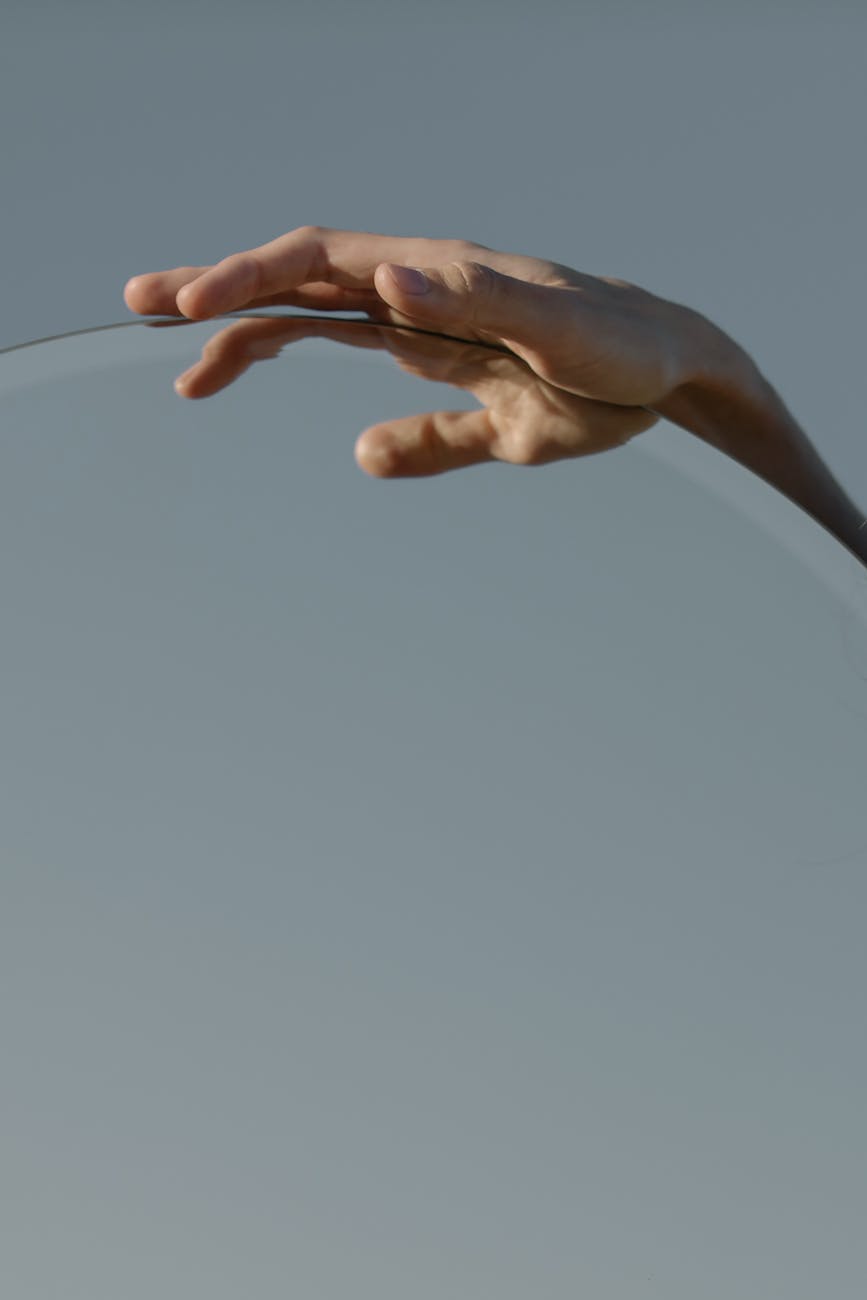
Mirror Box Therapy uses the power of visual feedback to retrain the brain’s perception of movement and pain. How it works: Let’s say your injury affects the right hand. We use a box to “hide” the right hand from sight and place a mirror between the right and left hand. The reflection of the left hand appears in the mirror and you look at it. Doing perscribed movements, when you watch the left hand, your brain sees the movement as if it’s occurring on both sides of the body.
We create a powerful illusion. This has been shown to reduce pain signals, improve motor control, and rewire neural pathways that have become disrupted after injury or surgery.
How the Reflection Helps with Pain and Stiffness
In cases of injury, especially to the hand, wrist, or arm, your brain may start to interpret signals incorrectly. For example, pain may persist even after tissues have healed, or stiffness may develop because your nervous system is protecting the area. Mirror Box Therapy functions to:
Interrupt chronic pain cycles: The visual feedback tricks the brain into believing the injured side is moving freely and without pain.
Promote motor relearning: Movement of the healthy limb “teaches” the brain that movement is safe, encouraging more comfortable motion on the injured side.
Reduce protective stiffness: With repeated exposure, the body begins to relax protective muscle guarding, improving range of motion and flexibility.
Address body schema mismatch: After trauma or surgery, your brain’s map of the injured limb can become distorted. Mirror therapy helps realign this map.
Who Can Benefit?
Mirror Box Therapy can be used as an intervention for:
- Post-fracture stiffness
- Tendon and nerve repairs
- Complex Regional Pain Syndrome (CRPS)
- Post-surgical pain and movement deficits
- Phantom limb pain
At Katherine Jackson Occupational Therapy, PLLC, we use mirror therapy as part of a broader rehabilitation plan for upper extremity injuries. It’s particularly effective when combined with manual therapy, guided movement training, and sensory re-education.
What to Expect in a Session
During a session, you’ll sit comfortably with a mirror placed along your midline. We’ll guide you through simple but intentional movements like wrist bending, finger taps, or grasping motions, while you watch the reflection and focusing on the visual of your “injured” side moving freely.
As sessions progress, movements become more complex and tailored to your goals. We monitor your response carefully, adjusting for pain levels, fatigue, and functional return.
A Gentle Yet Powerful Approach
Mirror Box Therapy is non-invasive, safe, and adaptable to your specific injury and tolerance. Many clients find it empowering because it puts them in a more active role in their recovery while reducing the fear and anticipation of pain.
If you’ve been struggling with pain or stiffness after an upper extremity injury and are looking for gentle yet effective ways to improve your mobility, mirror therapy might be the tool you need to break through plateaus.
Reflect. Retrain. Recover: Relieve pain and restore motion.
 Flourish Recovery & Wellness