
Take steps towards reducing flare ups
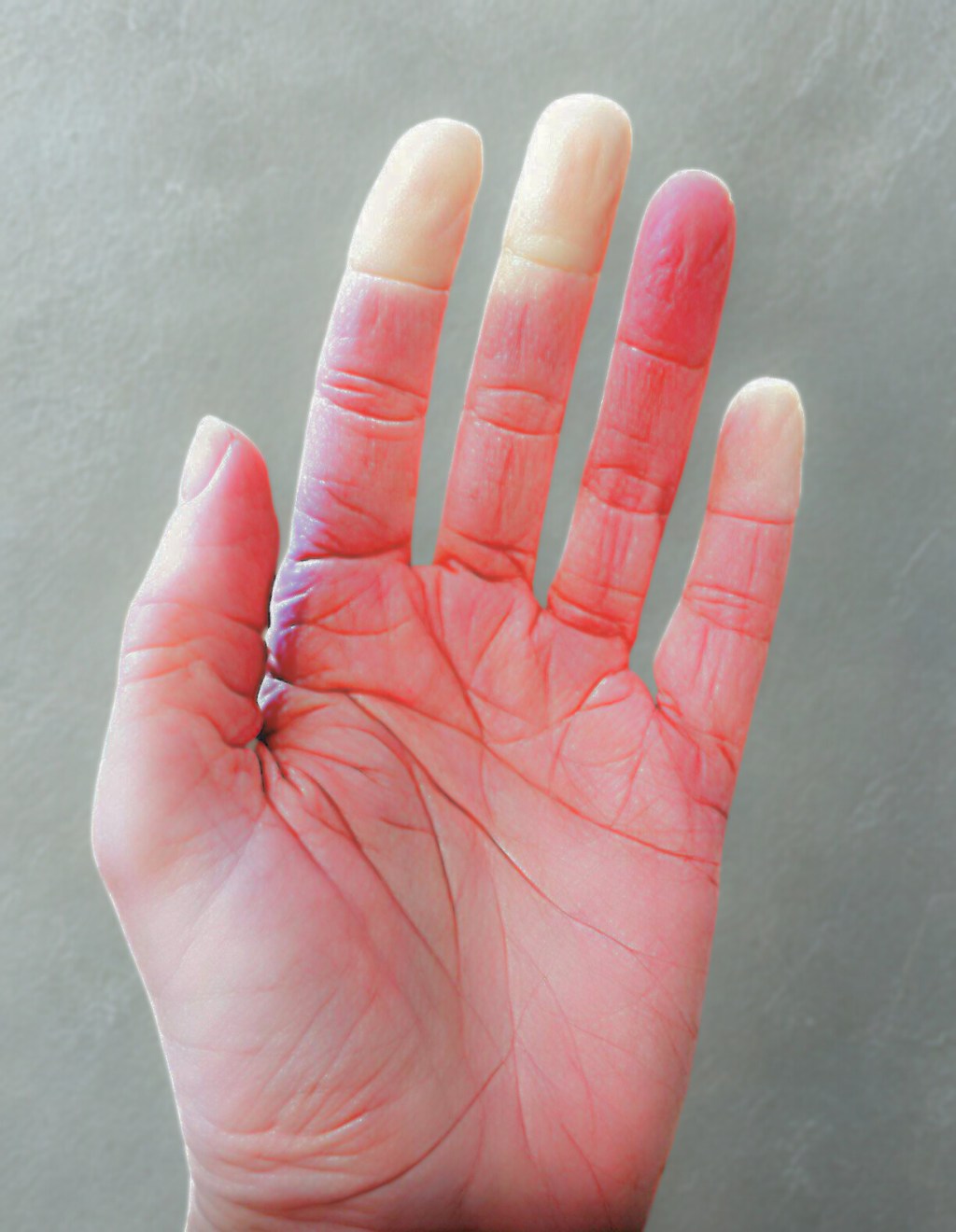
Have you ever noticed your fingers or toes turning white, blue, or red in response to cold or stress? You might be experiencing Raynaud’s Phenomenon, a condition where small blood vessels in your extremities overreact, causing them to spasm and temporarily reduce blood flow. This can lead to numbness, tingling, a cold sensation, and even discomfort that may last from minutes to hours. While it can be frustrating, there are steps you can take to protect your hands and feet, minimize symptoms, and maintain comfort.
Why Does Raynaud’s Happen?
In response to cold or emotional stress, the body naturally reduces blood flow to the extremities to maintain core temperature. For individuals with Raynaud’s, this protective mechanism overreacts, causing exaggerated constriction of blood vessels. As a result, oxygen delivery is reduced, and the skin may change color (white, blue, then red) and feel cold or painful.
Essential Self-Care Strategies for Raynaud’s
Here are practical tips to help manage Raynaud’s Phenomenon and protect your hands and feet:
Stop Using Nicotine: Nicotine narrows blood vessels and impairs circulation. Quitting smoking or avoiding nicotine-containing products can significantly improve blood flow and reduce symptoms over time.
Pre-Warm Your Hands and Feet: Before venturing into the cold, run your hands under warm water or use a microwaveable hot mitt. Moisturize afterward to prevent skin dryness. Warming your hands before exposure can reduce the severity of Raynaud’s episodes.
Dress Smart for the Weather
- Layer clothing to adjust to temperature changes.
- Choose moisture-wicking fabrics to keep skin dry.
- Cover your head, hands, and feet, as these areas lose heat fastest.
- Pre-heat your car so you don’t expose your body to sudden cold.
Stay Cozy Indoors
- Use microwaveable mittens or rice socks to warm your bed safely before sleeping.
- Wear socks to bed and use a fleece robe after showers to prevent chill.
- Keep lightweight gloves handy indoors, especially in air-conditioned spaces.
- Wear gloves when handling cold items like those from the refrigerator or freezer.
Nutrition and Digestion Awareness
Large meals redirect blood flow to the digestive system, which can worsen Raynaud’s symptoms. Try to eat smaller, balanced meals and avoid very cold drinks or foods that might trigger an episode.
Medication Considerations
Talk with your healthcare provider about any medications you are taking that might constrict blood vessels (some migraine, heart, and blood pressure medications can contribute). Your provider can help you evaluate options to avoid unnecessary constriction.
Calm your Nervous System
Emotional responses can trigger Raynaud’s episodes. Work with your occupational therapist to learn calming strategies, including diaphragmatic breathing, mindfulness practices, and gentle muscle relaxation to help reduce the impact of stress.
When to Seek Medical Advice
If you experience frequent or severe Raynaud’s episodes, consult your healthcare provider. They can discuss potential medication management options and help you navigate lifestyle changes tailored to your needs.
Empowering You for Everyday Life
At Katherine Jackson Occupational Therapy, PLLC, we believe in empowering clients to understand and manage conditions like Raynaud’s Phenomenon with practical strategies and personalized care. Incorporating these simple tips into your daily routine can improve comfort, protect your hands and feet, and enhance your quality of life.
Manage Raynaud’s and Live Life More Comfortably.
 Flourish Recovery & Wellness