
From Katherine Jackson Occupational Therapy, PLLC
Fishing is more than just a peaceful pastime — it’s a full-body activity that blends balance, coordination, strength, and fine motor skill. Whether you’re casting off a dock, wading into a river, or spending long hours on a boat, repetitive motions and prolonged postures can strain your body in ways that may not show up until the next day — or much later.
As an occupational therapist specializing in upper extremity rehabilitation, I see a number of clients with fishing-related issues such as shoulder tendinitis, elbow pain, hand cramping, or even low back strain. The good news? Most fishing injuries can be prevented with a little preparation and awareness.
Common Fishing Injuries
Here are some of the most common conditions that can develop with frequent or intense fishing:
- Tendinitis in the shoulder, wrist, or elbow from repetitive casting
- Carpal tunnel syndrome or nerve irritation from prolonged gripping
- Low back strain from standing or sitting in static positions
- Trigger finger from repetitive grasp-and-release actions
- Rotator cuff strain or impingement from overhead casting or lifting gear
- Neck pain from extended head-down posture when tying lures or looking at the water
Injury Prevention Tips
Warm Up Before You Cast
Just like any physical activity, fishing involves muscles that need to be gently warmed up. Before your first cast, try a few shoulder rolls, wrist circles, and light stretches for the forearms and spine.
Take a walk before getting in that boat. Warming up the whole body, especially before those early morning outings is essential to warm up muscles and joints after a restful night.
Vary Your Movements
Avoid overusing the same joints and muscles. Try to change your casting technique periodically or switch arms if possible. Vary your stance and reposition your feet every 15–30 minutes to avoid static strain.
Use Proper Gear
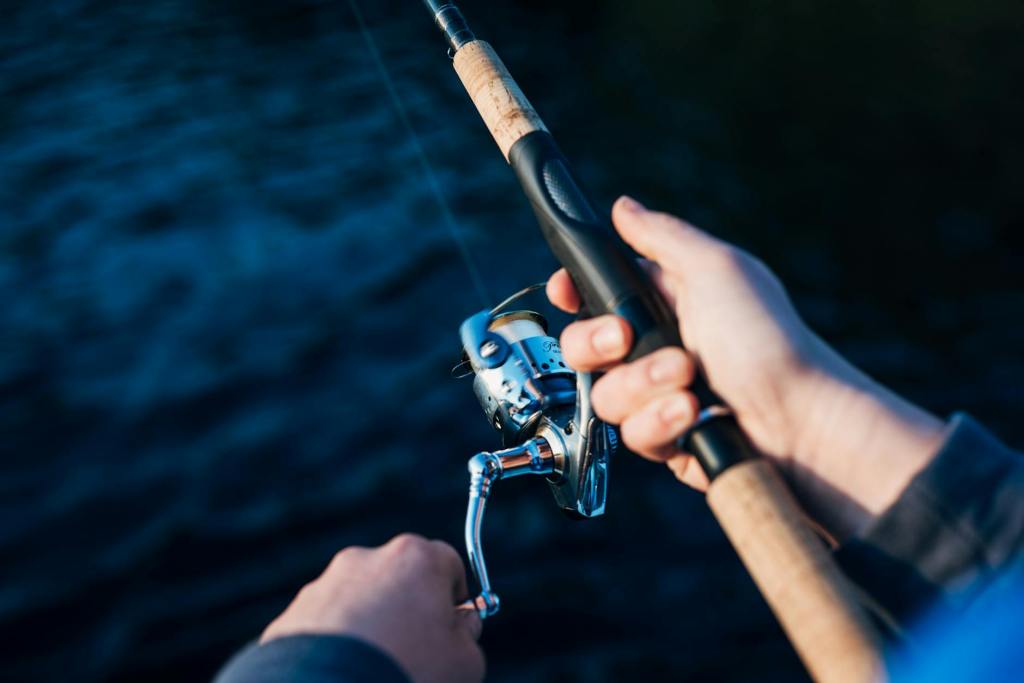
Choose rods and reels that are appropriate for your strength and fishing type. Lightweight rods and ergonomic handles can reduce grip fatigue and repetitive strain on the wrist and elbow. Consider using rod holders to avoid needing to constantly hold your equipment.
If working on fly tying, make sure you have good lighting with magnification. Perform gentle tendon gliding exercises before, during and after working on precision tasks to keep the structures of the hand and wrist limber.
Set Up for Success
Organize your tackle and gear to avoid repeated bending, twisting, or awkward lifting. Remember to use caution when the boat is in motion and lift heavy items using a stable base of support. Use a comfortable chair or seat with back support if you’ll be stationary for long periods. Stand and stretch every 20 min.
Strengthen and Stretch Regularly
Targeted exercises can help prevent injury and build the endurance needed for fishing:
- Strengthen: wrist extensors, rotator cuff, and scapular stabilizers
- Stretch: forearms, shoulders, neck, and lower back
- Balance: if fishing from a boat or wading in a stream, balance exercises can reduce fall risk. Tai chi, Qi Gong and Yoga are fantastic ways to improve balance and teach to you focus on mindfulness during times of frustration, like when the big one gets away!
When to Seek Help
If you notice persistent pain, numbness, or weakness in your shoulder, arm, hand, or back after fishing, or if symptoms start to interfere with daily life, don’t ignore them. Early intervention can prevent a minor overuse injury from turning into a chronic condition.
At Katherine Jackson Occupational Therapy, PLLC, I offer individualized assessment and treatment for hand, arm, shoulder, and postural injuries. My focus is on getting you back to the activities you love and participating in them life long, whether it’s reeling in a catch or tying the perfect fly.
Reel in Strength, Not Strain
Let’s make sure your time on the water stays relaxing, not painful. If you’re dealing with discomfort or want guidance on strengthening and prevention, I’m here to help.
Located in Evanston, IL | Specializing in Upper Extremity & Lymphedema Therapy
Contact Katherine Jackson Occupational Therapy, PLLC for more info or an appointment.
Reel in Relaxation, Not Repetitive Strain
 Flourish Recovery & Wellness