
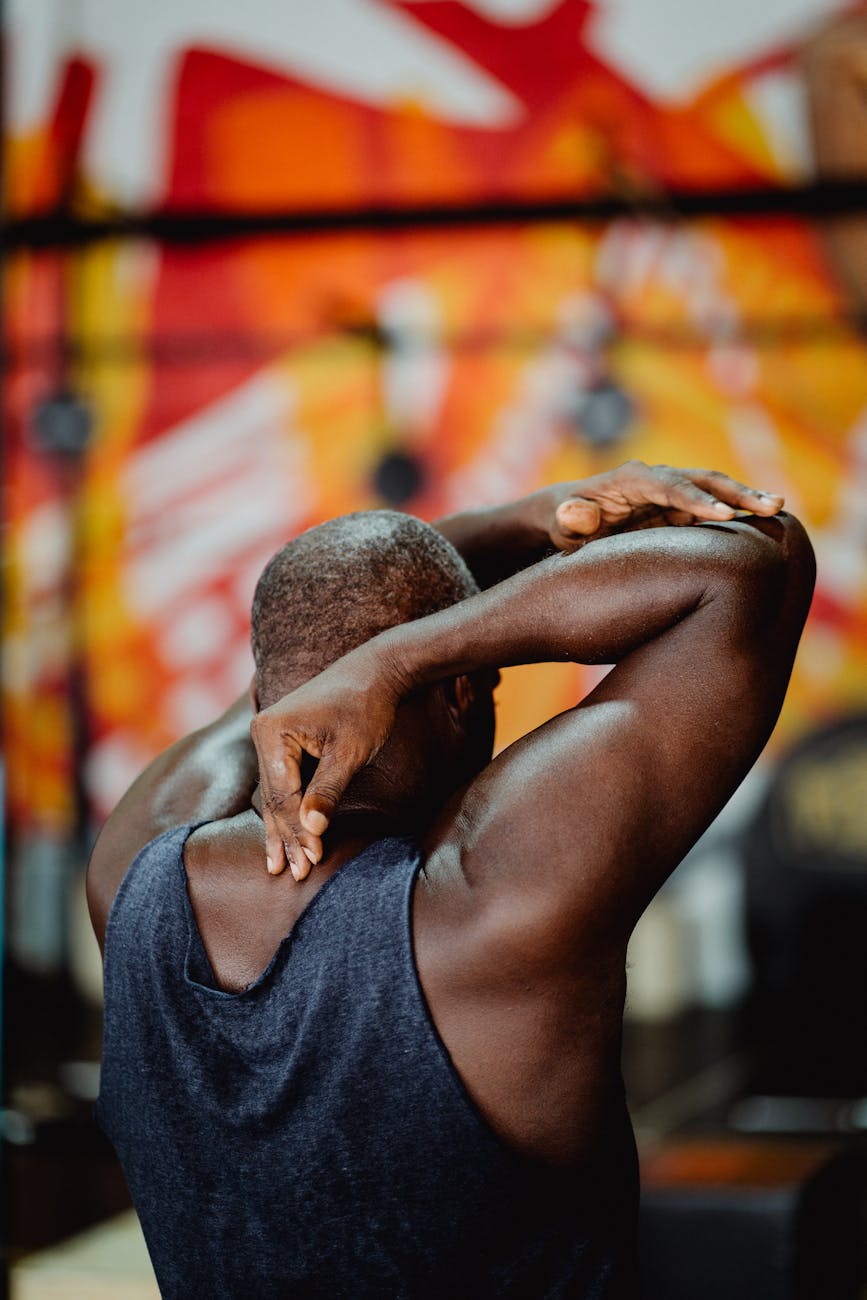
Occupational Therapy interventions for one of the most commonly injured joint in the body: the shoulder.
Shoulder pain can make the simplest tasks, like brushing your hair, reaching for a glass, or sleeping comfortably, nearly impossible. One of the most common culprits? A rotator cuff injury.
The rotator cuff is a group of four muscles and their tendons that stabilize the shoulder joint and help you lift and rotate your arm. The shoulder is a very mobile joint, so it relies on the strength of muscles and tendons for support while moving. When this system is compromised, pain, weakness, and limited mobility often follow.
Causes of Rotator Cuff Injuries
Rotator cuff injuries affect people across all ages, but the cause often differs depending on life stage:
Macro Trauma is a common cause in individuals < 40 years old. When an acute injury usually stems from a sudden force or traumatic event, such as:
Lifting something too heavy
Falling onto an outstretched arm
A sports injury (especially in throwing or contact sports)
These can result in partial or full-thickness tendon tears.
Micro Trauma is a more common in individuals over 40, as due to wear and tear on the body from repetitive strain and degeneration, tiny tears can accumulate and lead to more significant damage. This phenomenon may be linked to:
- Repetitive overhead motion (e.g., painting, tennis, swimming)
- Poor posture and muscle imbalances
- Age-related tendon degeneration
The Role of Occupational Therapy & Certified Hand Therapy in Recovery
OT, hand therapists are specialized in treating the upper quarter of the body. Hand-to-shoulder orthopedic intervention can help restore function, strength, and confidence through a multifaceted approach incorporating key interventions for rotator cuff rehab.
An initial step is training individuals in postural awareness and how to realign for improvement. Poor posture contributes to shoulder impingement and worsens tendon stress. Occupational therapists assess and correct posture to:
- Open the shoulder joint space
- Reduce abnormal wear on tissues
- Improve alignment during everyday tasks
Another key to making positive habit change to support improved motion and reduced pain is through the instruction of lifestyle adaptations. Small changes can yield big relief when incorporating changes such as:
- Ergonomic adjustments to workstations
- Modifying lifting techniques
- Teaching joint protection strategies
In rehabilitation, your OT, CHT is skilled in different manual therapy approaches for pain relief such as soft tissue mobilization, joint mobilization, myofascial release and dry needling that can:
- Reduce stiffness
- Improve circulation
- Restore mobility in the shoulder girdle
- Reduce pain and improve tissue healing by targeting trigger points
In addition to the above interventions, a customized in-clinic and home exercise plan is necessary to:
- Rebuild rotator cuff and scapular strength
- Improve range of motion and joint control
- Correct muscle imbalances
Other rehab tools may include the use of kinesiology taping to support the shoulder while restoring improved movement patterns. Benefits include:
- Decreased pain
- Improved posture
- Enhanced proprioceptive feedback
For pain reduction and prevention of symptom flare, it is important to learn to balancing arm use (work) with rest. Too much or too little movement can both hinder healing. OT CHT’s guide clients in pacing activity to:
- Prevent re-injury
- Encourage progressive strengthening
- Return to activity/sports safely
- Honor the body’s healing timeline
When to Seek Help
Persistent shoulder pain, especially if it limits your movement, impacts sleep, or is accompanied by weakness, deserves professional attention. The sooner we address the injury, the better the outcome.
The Bottom Line
Whether your rotator cuff injury is the result of a traumatic incident or years of wear and tear, recovery is possible. With compassionate care and expert rehabilitation, you can rebuild strength, reduce pain, and return to the activities that matter most. Click the button below to navigate to my website and make and appointment for an evaluation of your shoulder pain.
Your shoulder is designed for movement. Let us help you move with confidence again.
 Flourish Recovery & Wellness