
Techniques After Injury or Surgery
Hypersensitivity in the skin and underlying tissues can be a frustrating and often painful aftermath of injury or surgery. This sensitivity, which may be due to nerve changes, scar tissue, or even the healing process itself, can make even the lightest touch feel unbearable. Fortunately, occupational therapy offers effective techniques to gradually decrease this sensitivity—a process known as desensitization. We introduce these techniques in our therapy sessions, determining the right challenge for you, then design “homework.”
Why Does Hypersensitivity Occur?
Hypersensitivity can result from a variety of causes, but one common culprit is scarring. After an injury or surgical procedure, scar tissue forms as part of the healing process. However, this scar tissue can disrupt normal nerve signals and make the skin overly reactive to stimuli such as touch, temperature, or vibration.
How Desensitization Helps Neuroplasticity
The human nervous system is capable of remarkable adaptability, a concept known as neuroplasticity. It’s fascinating. When skin receptors are exposed to sensory input, especially when this is done frequently, progressively and in a controlled manner, it helps the brain “rewire” itself to correctly interpret sensations. Over time, the brain reduces its overreaction to touch and other stimuli. This retraining process not only decreases hypersensitivity but can also improve functional use of the affected area.
Desensitization Techniques: Tools for Recovery
The goal of desensitization is to retrain the nervous system to tolerate sensory input, reduce pain, and improve function. Here are some techniques often used in occupational therapy:
Massage
Gentle massage of the hypersensitive area using circular or linear motions helps to provide consistent tactile input. This can reduce nerve over-responsiveness and increase blood flow to the area, promoting healing. When the area is too sensitive to touch, you can even massage right near the area and gradually move closer as tolerance improves. Over time, you can increase the pressure, speed and direction of the massage to continue challenging the sensory system.
Graded Textures
Introducing graded textures and rubbing near and on the sensitive area also gives a lot of sensory input for the skin receptors to detect, then send messages to the brain. In OT, we start with using soft fabrics (like silk or cotton) and progress to rougher materials (such as terry cloth or Velcro.) Doing this to a level that you can tolerate provides the skin with a variety of sensations. This gradual approach helps the nervous system adjust to different tactile stimuli without causing discomfort. Exposure to progressively rougher textures encourages the nerve receptors to become less reactive.
Immersion in Differing Mediums
A fun and effective way to desensitize is through immersion of the sensitive area into materials with different textures and resistance levels. Common mediums include:
- Water: A gentle and soothing introduction, ideal for early stages.
- Sand: Provides a gritty texture, adding a moderate challenge.
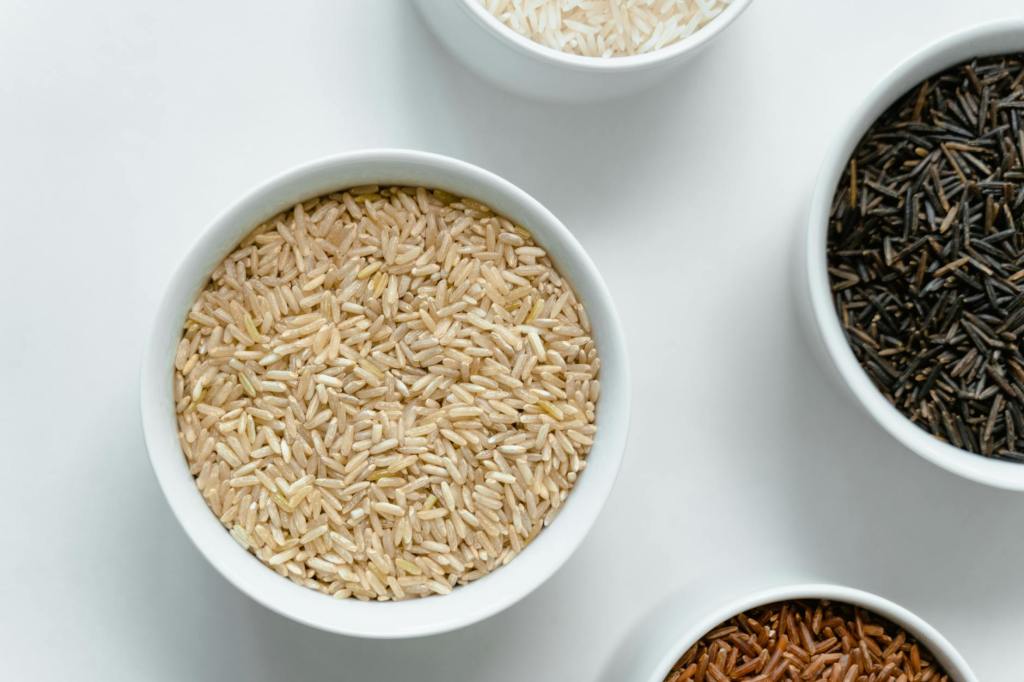
- Dry rice: Slightly rough but manageable.
- Pasta (uncooked): Creates a firm and irregular sensation, perfect for advanced stages.
You can start by immersing their hand (or another affected area) in the medium and gently moving it around. Or, the medium can be poured over the sensitive area, repetitively. Over time, the challenge can be increased by adding weight or resistance, such as scooping, squeezing or pressing against the materials.
Objects can be “hidden” in the medium to have the hand reach and retrieve them as another activity that helps improve hand function and dexterity.
Vibration
Using a vibration device, such as a mini-massager can offer targeted desensitization. Vibration stimulates the nerves in a controlled manner, helping them adapt to input without triggering hypersensitivity. This method taps into the brain’s neuroplastic capabilities by providing rhythmic and repetitive stimulation, promoting desensitization over time. Start with brief sessions and low intensities, gradually increasing as tolerance improves.
The Power of Consistency
Desensitization is most effective when performed regularly and progressively. Occupational therapists work closely with patients to design a personalized plan, adjusting techniques and intensity based on tolerance levels and goals.
In addition to physical techniques, education and support play a key role in helping patients manage their hypersensitivity, empowering them to regain comfort, function, and confidence in daily activities.
Empower your recovery, one sensation at a time
At Katherine Jackson Occupational Therapy PLLC, we understand that hypersensitivity can be a significant barrier to comfort and independence after an injury or surgery. Our expert therapists specialize in gentle, progressive desensitization techniques tailored to your unique needs. Through personalized therapy sessions, we help you retrain your nerves, rebuild confidence, and restore function, one sensation at a time.
Contact us today to learn how we can support your journey toward healing and resilience.
 Flourish Recovery & Wellness