
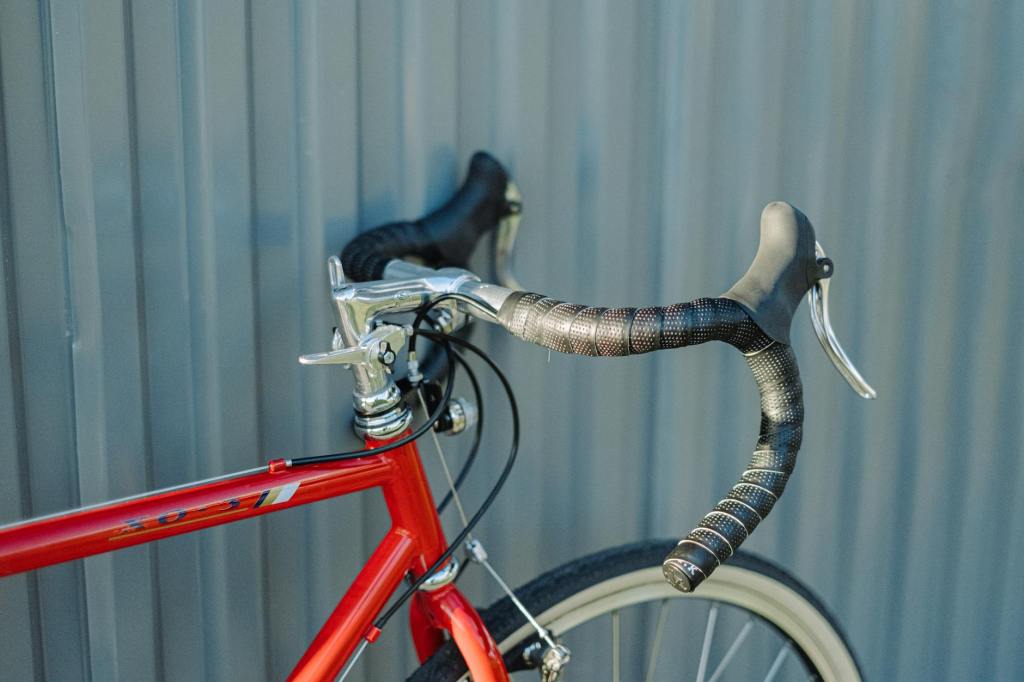
Occupational Therapy To Help Keep You on the Road
Cycling is a fantastic way to stay active, commute sustainably, and enjoy the outdoors. But whether you’re a weekend cruiser, long-distance rider, or daily commuter, biking can take a toll on your body. This is especially true when posture, repetition, or injury come into play.
In occupational therapy, we often work with cyclists dealing with pain, overuse injuries, or post-trauma recovery. The good news? Many bike-related injuries can be managed and even prevented with targeted therapy and education.
Common Cycling Injuries
Cycling injuries often fall into two main categories: overuse and traumatic. Each presents unique challenges for recovery, and occupational therapy can address both with a combination of hands-on treatment, retraining, and self-management strategies.
Wrist and Hand Pain (“Handlebar Palsy”)
Prolonged pressure on the hands or poor wrist alignment on the handlebars can compress the ulnar or median nerve, leading to numbness, tingling, or weakness in the fingers.
OT treatment may include:
- Postural evaluation
- Nerve and tendon gliding exercises
- Wrist and hand positioning strategies
- Padded glove or handlebar grip recommendations
- Bike fit consultation to reduce wrist strain
Neck and Shoulder Stiffness
Long rides in a forward-flexed position can cause muscle fatigue, joint stiffness, or nerve irritation in the neck and upper back.
OT can help by:
- Addressing postural imbalances
- Improving shoulder blade mechanics and flexibility
- Providing soft tissue mobilization with tools such as cupping or dry needling
- Teaching post-ride recovery routines
- Strengthening core and postural support muscles
Knee Pain
Knee strain often arises from improper saddle height, foot alignment, or muscle imbalance between the quads and hamstrings. Patellofemoral pain and IT band syndrome are common in cyclists.
Treatment may include referral to a PT colleague for:
- Manual therapy and soft tissue release
- Strengthening and mobility work for hips and thighs
- Guidance on proper pedal stroke mechanics
- Coordination with bike fitting professionals
Low Back Pain
Sustained spinal flexion, weak core control, or poor posture on and off the bike can all contribute to discomfort in the lumbar spine.
We address this by:
- Rebuilding spinal mobility and core endurance
- Ergonomic education for both cycling and daily life
Falls and Fractures
Cycling accidents can lead to fractures in the wrist, elbow, clavicle, or shoulder. Unfortunately, in a busy urban-suburban location, I see this far too often after an automobile versus bike collision or when a dog walker unexpectedly impedes right-of-way on a mixed use trail. Recovery often includes regaining strength, motion, and confidence to return to riding.
Post-injury OT support includes:
- Upper extremity rehabilitation for strength and coordination
- Soft tissue mobilization
- Scar management and desensitization
- Pain management techniques
- Activity-specific retraining to safely return to biking
How Occupational Therapy Supports Cyclists
Whether your goal is to ease chronic tension, recover from an injury, or prevent future issues, occupational therapy offers a customized, hands-on approach. At Katherine Jackson Occupational Therapy, PLLC, we specialize in:
- Upper extremity and joint-specific rehabilitation
- Manual therapy and soft tissue mobilization
- Postural retraining and body mechanics education
- Functional strengthening and movement correction
- Ergonomic and equipment consultations
We also educate you on how to ride smarter, recover better, and care for your body between rides.
Prevention Tips for Cyclists
Check your fit: Poor bike fit is a top cause of overuse injury. Make sure your seat, handlebars, and pedals support your alignment. Local bike shops are great resources for bike fit checks.
Vary your grip and posture: Change hand positions during long rides and take stretch breaks.
Strengthen off the bike: A strong core and balanced leg strength make for a smoother, safer ride. Cross training for muscles in the posterior chain is especially important.
Listen to your body: Numbness, tingling, or joint pain are early warning signs and not something to ignore.
Feeling the wear and tear from the road or trail?
Let’s work together to keep you pedaling strong and pain-free. Contact Katherine Jackson Occupational Therapy, PLLC for personalized care designed to get you back on your bike with confidence.
Helping You Stay in the Saddle—Pain-Free and Strong
 Flourish Recovery & Wellness