
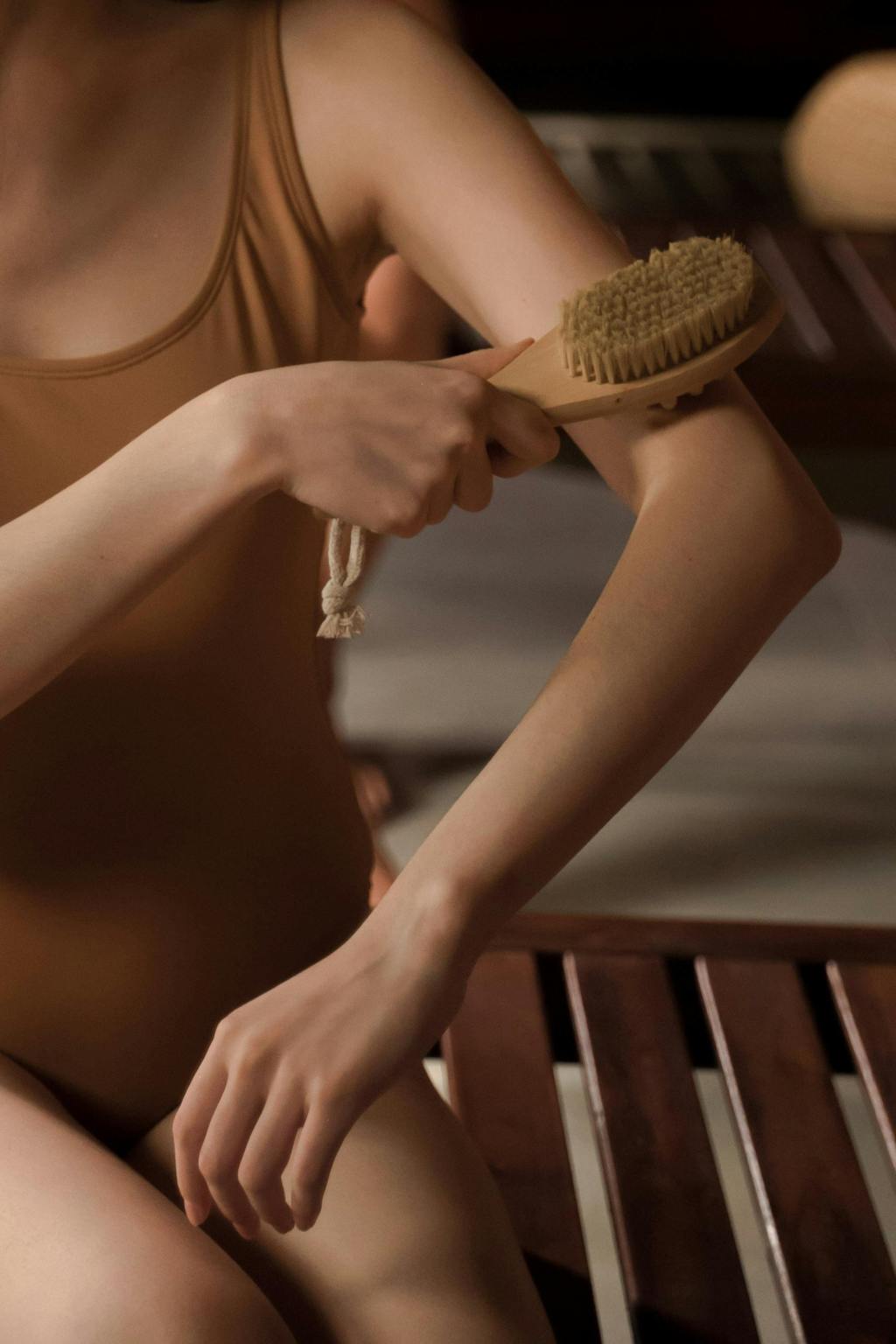
An addition to your self-care program
At Katherine Jackson Occupational Therapy, PLLC, we are dedicated to supporting individuals living with or at risk for lymphedema by offering strategies and education for long-term management.
One self-care technique that may be incorporated into a comprehensive lymphedema program is dry brushing. Note that dry brushing does not have “hard science” behind the technique, but if we follow pathways that clear the lymphatic channels and take appropriate precautions, it could be a useful addition to your daily self-care program.
But, it’s important to know a bit about this technique before jumping straight in.
What is Dry Brushing?
Dry brushing is a method of using a soft, dry bristle brush to gently stroke the skin in specific directions. The purpose is to encourage lymphatic flow, promote circulation, and support overall skin health. Because the lymphatic system lies just under the surface of the skin, the technique requires only light pressure to be effective.
It is important to note that your dry brush needs to be clean and not shared with others living in the house. Between sessions, it is best to store it in a non-humid and clean environment (ie: not in the bathroom.) If you have any broken skin, it is best NOT to use your dry brush, so always do a skin inspection prior to dry brushing.
How Dry Brushing Supports Lymphedema Care
For individuals with lymphedema or at risk of developing it, dry brushing can be one of several helpful strategies when guided by a lymphedema therapist. Potential benefits include:
- Stimulating lymphatic flow: Gentle strokes can help move fluid toward areas with healthy lymph nodes.
- Supporting skin health: Regular brushing may reduce the buildup of dead skin cells and encourage awareness of skin changes.
- Promoting self-care: Incorporating dry brushing into daily routines fosters a sense of control and active participation in lymphedema management.
- Frequent skin inspection: self-monitoring is very important for detecting changes in skin integrity and/or swelling. Keeping on top of skin changes helps minimize lymphedema flare up and prevents infection.
Guidelines for Safe Practice
- Always use gentle, light pressure. Deep or vigorous brushing does not improve results and may cause irritation.
- Brush in short, upward strokes toward the trunk of the body, following the natural direction of lymphatic drainage.
- Use a soft-bristled brush specifically designed for skin care. I prefer that you purchase a new brush that will be dedicated to this activity only.
- As I mentioned above: avoid brushing over broken skin, rashes, insect bites or other skin irritations.
- Incorporate dry brushing as part of a comprehensive program that may include compression, exercise, skin care, and manual lymphatic drainage. Your certified lymphedema therapist should design a program especially for you.
Consult Your Provider First
While dry brushing can be a supportive tool, it is not appropriate for everyone. Always consult with a certified lymphedema therapist or your healthcare provider before beginning any new self-care practice. Personalized guidance ensures safety and effectiveness based on your individual risk factors and health history.
At Katherine Jackson Occupational Therapy, PLLC, we partner with you to create a care plan that fits your needs, helping you manage lymphedema with confidence and skill.
Empowering you with tools for long-term wellness
 Flourish Recovery & Wellness