
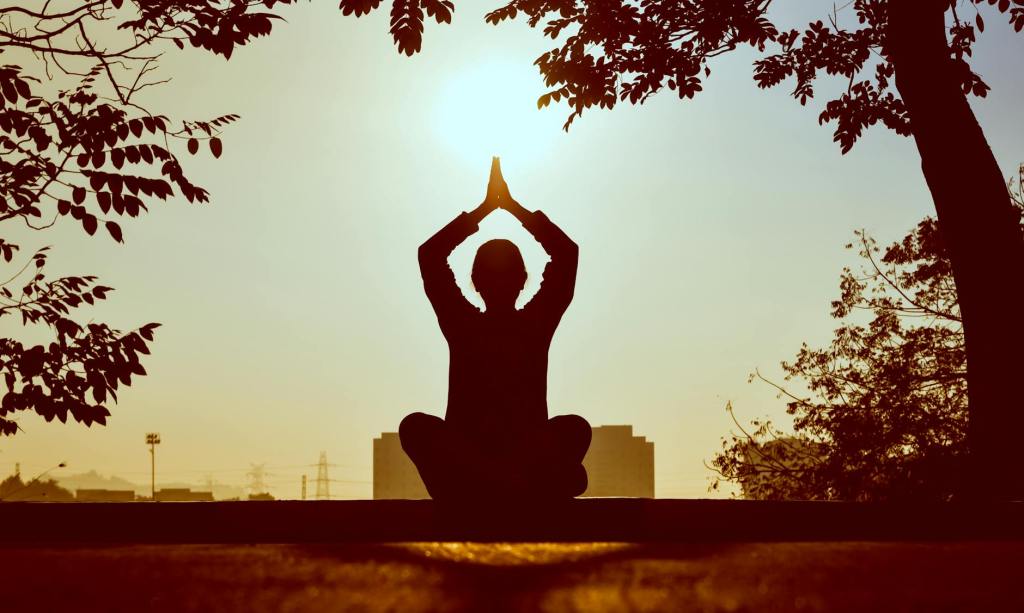
Practicing Yoga Safely with Tips from a Yoga Enthusiast
Yoga is a powerful tool for healing. Whether you’re looking to reduce stress, improve flexibility, strengthen your body, or manage pain and fatigue, a regular yoga practice can be transformative. At Katherine Jackson Occupational Therapy, PLLC, we often recommend yoga-inspired movement as part of holistic rehab and wellness plans because of its deep focus on mind-body connection, breath awareness, and functional strength.
But like any physical activity, yoga can become a source of strain if practiced without attention to form, limits, or balance. Ironically, the very poses meant to bring peace and mobility can lead to overuse injuries when approached too aggressively, repetitively or with faulty form. I commonly see these injuries affecting the shoulders, elbows, and wrists.
Let’s explore how to honor your practice while protecting your body, so that yoga continues to be a source of healing, not harm. When performed optimally, yoga can be a lifelong practice. That’s why I love it so much.
The Power of Mindfulness in Yoga
One of yoga’s greatest gifts is the practice of mindfulness, or staying present in the body, with awareness of how each movement feels. This intentional attention helps calm the nervous system, regulate breathing, and bring awareness to subtle signs of stress or discomfort.
Mindfulness in movement also improves:
- Stress regulation and emotional resilience
- Postural awareness and alignment
- Energy conservation and fatigue management
- Body mechanics and pain reduction
Yoga’s benefits are well-supported for people managing chronic pain, fatigue, anxiety, or recovering from injury but only when practiced with appropriate boundaries and self-awareness. Like any physical activity you need to be taught to learn proper form and modifications for your needs.
When Yoga Causes Pain: Common Overuse Injuries
As yoga has grown in popularity, so have repetitive strain injuries related to poses that overload the upper extremities. It can be easy to stress the connective tissues of the joints if a muscle is not flexible enough for the pose or if muscle groups are not balanced in terms of strength. Some examples of common injuries OTs treat include:
Shoulders
- Repeated chaturangas, long-held downward dogs or too frequent performance of some sun salutations can cause rotator cuff irritation, impingement, or instability in the shoulder joint.
- Over-reliance on the front of the shoulder without adequate back-body engagement leads to imbalance and strain.
Wrists
- Weight-bearing through the hands in planks, upward dog, and arm balances can irritate the small joints of the wrist or exacerbate carpal tunnel syndrome or tendonitis.
Elbows
- Locking the elbows during weight-bearing poses may result in tendinopathy or nerve irritation, particularly in those prone to tennis elbow or ulnar nerve tension.
Injury Prevention: Adapting Your Yoga Practice with OT Insight
As occupational therapists, we focus on adapting meaningful activities so they work for your body. Here’s how to practice yoga safely and sustainably:
Use Yoga Props Generously and without Apology
- Blocks reduce the load on your shoulders and wrists by bringing the floor closer to you.
- Bolsters and blankets support the spine and hips during seated or restorative poses.
- Straps can assist with range of motion without forcing a joint into end-range tension.
- These tools aren’t “cheating,” they’re smart supports for safe alignment and joint protection. Props can assist you to get closer to achieving the intention of the pose, even if your pose looks different than others practicing alongside you.
Protect Your Wrists and Elbows
- Keep wrists in neutral (not hyperextended) when weight-bearing. Spread fingers wide to distribute pressure along the palm of the hand instead of relying on the heel of the hand.
- Use wedges, gloves to enhance your grip, gloves with gel cushioning, or a rolled towel–all protect your wrists.
- Substitute “sphinx” pose for “upward dog” or substitute “dolphin” for “plank”. Keeping the knees down when in a traditional plank takes pressure off of the wrists.
- Avoid locking out the elbows when weight bearing or when reaching. Always keep a micro-bend in the joint and your engage upper arm muscles to shift the load off of the joint and onto the muscles where it belongs.
Be Kind to Your Shoulders
- Avoid “shrugging” the shoulders toward the ears—draw shoulder blades gently down and together for scapular stability.
- Engage the core and back body in any pose that requires pushing or holding your weight through the arms.
- Reduce reps of chaturanga or modify by lowering knees and keeping elbows close to the ribs.
- Neck alignment matters! Because the shoulders and neck are intimately connected, for many poses your neck should be aligned as if someone is pulling you by a string attached to the crown of the head. Holding the neck in the right place can reduce strain on shoulder structures.
Listen to Pain and Respect Limits
Pain is not a sign of growth. It’s a signal to pause. Backing off, modifying, or using props doesn’t diminish your practice. Mindful modification deepens your connection to yourself. Resting tissues that become irritated allows you to spend more time in the yoga studio and less time in a rehab appointment!
Practice Balance Off the Mat, Too
Yoga is a practice, not a performance. It’s not a competitive sport. Avoid long sessions or daily power flows without giving your joints time to recover. Balance yoga with:
- Strength training
- Gentle mobility work
- Walking, swimming, or other aerobic activity
- Days of rest
A Mindful Practice Is a Sustainable One
At Katherine Jackson Occupational Therapy, PLLC, we believe that yoga is a beautiful, evidence-informed way to support recovery, well-being, and lifelong function. But like anything, it must be practiced with respect for the body’s limits and needs. If you’re dealing with joint pain, fatigue, or repetitive strain from your yoga practice, or if you want to build a yoga-informed wellness routine that’s safe for your body, we’re here to help.
You don’t have to give up the poses you love—you just need to meet them with the support your body deserves.
Contact us today to learn how occupational therapy can enhance your yoga practice and protect your body for the journey ahead.
 Flourish Recovery & Wellness