
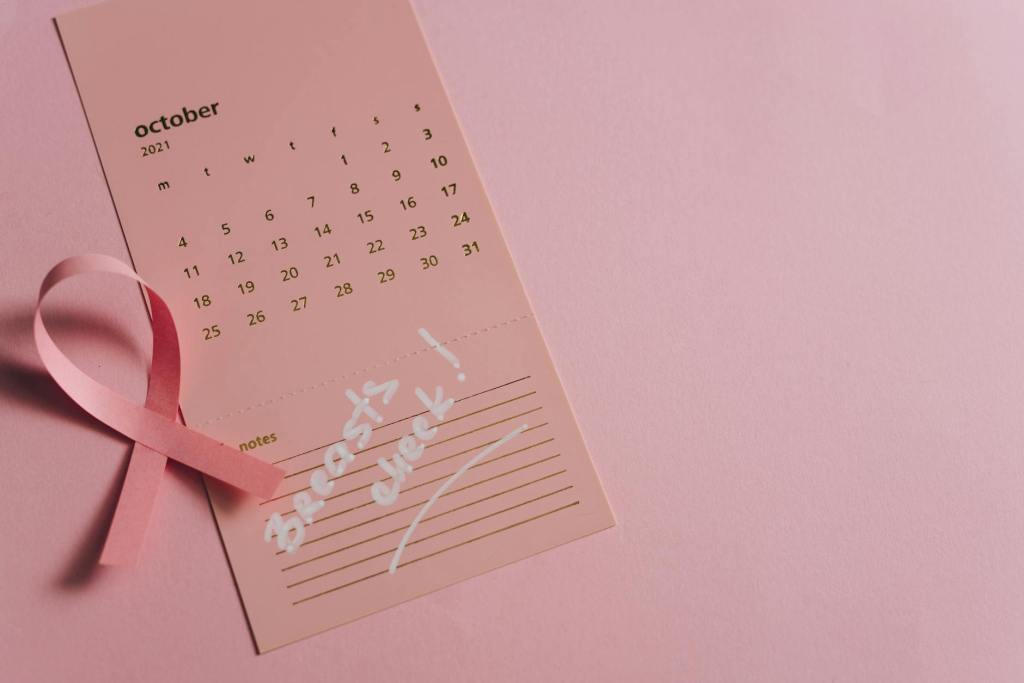
A personal message from a breast cancer survivor
October is Breast Cancer Awareness Month—a time we dedicate to education, advocacy, and action. For most of my career, I’ve supported patients navigating breast cancer recovery. As an occupational therapist and certified lymphedema therapist, I’ve been the one holding space, offering strategies, and helping others find their way back to function, comfort, and identity. I aim to help survivors to find their new normal and thrive again.
In 2020, my life changed. As the Covid pandemic quarantine began to allow businesses to re-open, I knew I was overdue for my annual mammogram. It was on my mind because my mother had been diagnosed with breast cancer, and I wanted to stay on top of my own health.
What was supposed to be a routine screening and way for me to check off a box on my to-do list, my own mammogram flagged something suspicious. A friend told me not to worry, the same thing happened to her and after her follow up ultrasound, she got the all clear.
So, I went to the ultrasound, but unlike my friend’s good news, my doctor said I now needed a biopsy. The procedure was highly unpleasant and my poor breast was so bruised. Unlucky and lucky for me, I was diagnosed with early-stage breast cancer. I still remember thinking, this isn’t supposed to happen to me. I’m the caregiver, not the patient.
But a patient I became: consulation with a surgeon, then another for a second opinion, meeting with a plastic surgeon, meeting with a geneticist, MRI for additional information and deciding that the best course of treatment was mastectomy. I opted for a flat closure to avoid the challenges of reconstruction.
When I shared my diagnosis with a wise friend, they gently reflected, “You must feel like you’re living someone else’s reality.” That statement resonated with me and they were absolutely right.
Logically, I understood that I was fortunate to have my diagnosis and that my cancer was early stage, with treatment options. My prognosis was good.
Years after my mastectomy, I chose the route of reconstructive surgery. It was a good choice for me, but it wasn’t easy to go back to step one with another major surgery. I had spent years recovering from the mastectomy. I had numerous sessions of OT and PT. The physical pain was real, and so was the emotional work. Recovery from both surgeries took time. As I returned to my work, I found myself adjusting not just to a new normal, but a new perspective. I have even more empathy for my patients.
My body image is forever changed. Even with reconstruction, my body no longer feels quite like it did before. Some days, I feel strong and grateful. Other days, I feel disconnected from a version of myself I used to know so well. Am I happy with my new look? Well, I’m satisfied with the outcome of my reconstruction, but I would rather go back to the “old me.”
Long-term hormone therapy has helped reduce recurrence risk, but it also comes with its own challenges. I now live with joint stiffness that affects my daily life—a common experience for many on this path. I sometimes dread going to sleep, as it’s a time for tossing, turning and a mind full of anxiety. Covers off due to hot flashes and night sweats, then covers on as my temperature drops.
And yet, despite all of this, I am grateful.
Grateful to be alive. Grateful for early diagnosis. Grateful for the treatment options available to me. Grateful to hit 5 years cancer free this October. So grateful to be completing what seemed like an endless course of cancer preventative medication. And grateful that I went to that routine mammogram, even when going out into the world during a global pandemic was scary.
So this October, my message is simple. Wear pink as much as you like but:
Schedule your mammogram.
Do the screening. Don’t avoid the unknown. Encourage your friends and loved ones to prioritize their health. Early detection saved my life and it could save yours too.
From both sides of the therapy table
Katherine Jackson, OTR/L, CLT-LANA
 Flourish Recovery & Wellness