
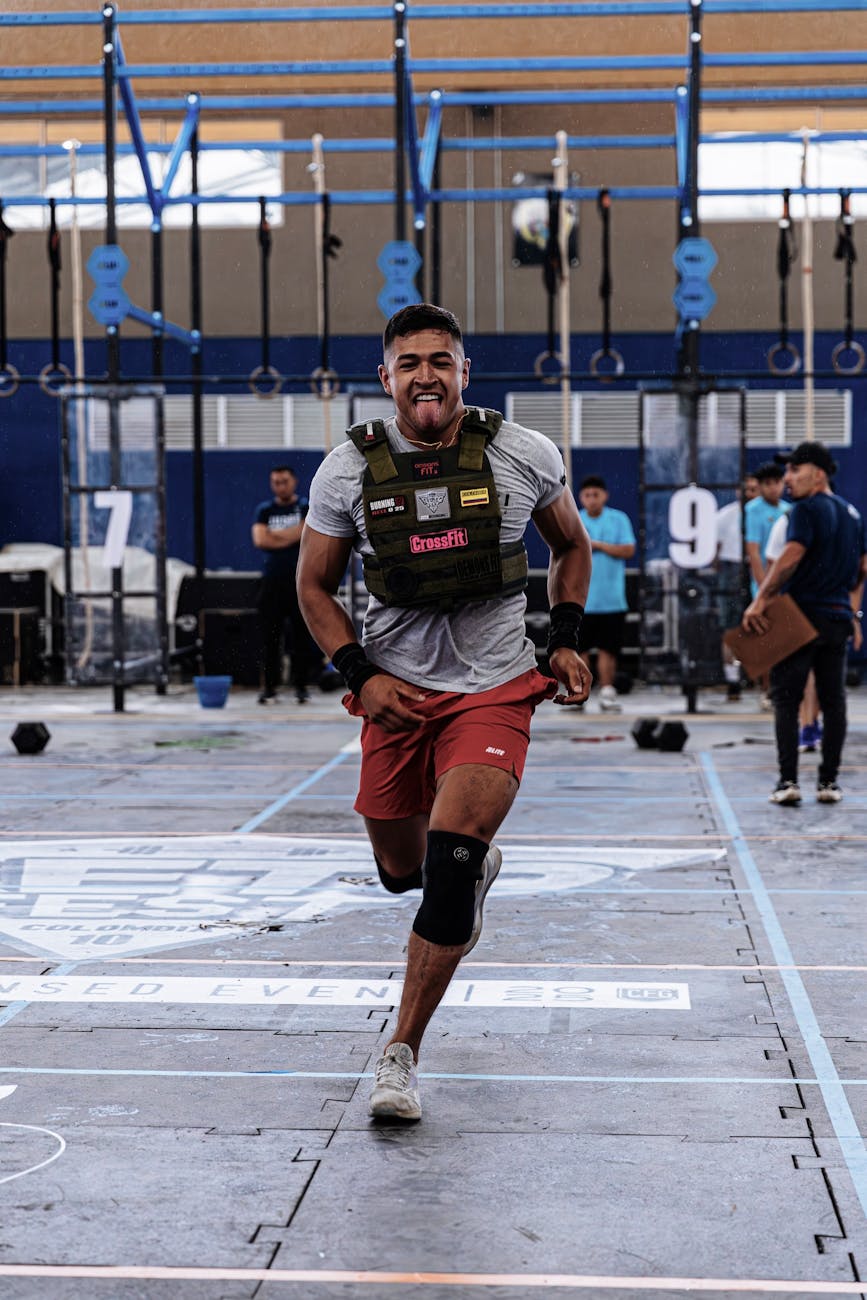
Pro Tips from an Occupational Therapist who has seen the good, the bad and the ugly
Weighted vests have become a popular addition to fitness and wellness routines, especially for people looking to make their daily walks more effective. As an occupational therapist, I often hear clients ask if wearing a weighted vest is “worth it.” The answer is: it depends on how you use it. Done correctly, a weighted vest can support long-term health goals, but without attention to posture and core strength, the added load can create new problems.
Why Wear a Weighted Vest?
The main rationale behind using a weighted vest is simple: adding resistance increases the physical challenge of walking and other daily activities. Over time, this added weight can help improve:
- Bone density: Extra load through the skeleton stimulates bone-building cells, which is especially valuable for people concerned about osteoporosis or age-related bone loss.
- Muscle strength and endurance: Walking with resistance challenges the legs, hips, and trunk, encouraging strength gains.
- Cardiovascular fitness: A small increase in intensity can make your walks more heart-healthy without dramatically changing your routine.
The Posture Problem
While the benefits are real, there’s an important caution: posture matters. Adding weight to the torso can exaggerate existing spinal alignment issues, such as:
- Forward Head
- Slouched shoulders
- Rounded upper back
- Swayback
When the chest collapses forward under the weight of the vest, the shoulders may round forward and compress sensitive structures in the upper chest. This can irritate the brachial plexus, a network of nerves that supplies the arms. The result? Pain, numbness, or tingling in the arms or hands symptoms no walker wants to deal with.
Building a Safe Foundation
Before reaching for the heaviest vest on the shelf, consider these pro tips:
- Start light: Begin with 5% of your body weight and only wear it for short intervals.
- Progress gradually: Increase weight and duration over weeks, not days. Did you know that for the first 6 weeks of a new exercise, your body perceives it as stress? So go easy!
- Engage your core: Think about gently drawing your belly button toward your spine as you walk. Bring your breastbone slightly forward like you are showing off a necklace, bowtie or feeling proud. Keep your ribcage stacked over your pelvis. This helps stabilize the trunk and protects your low back.
- Check your posture: Keep your chest lifted, shoulders back and down, and head as if you are balancing a book on top. I tell my clients: ears over shoulders, shoudlers over hips and hips over ankles.
- Listen to your body: If you notice tingling, numbness, or increased back discomfort, stop and reassess. Make sure that the vest is not pinching on important structures or causing the shoulders to collapse forward, putting undue pressure on the vital nerve bundle that innervates the arms.
Where Occupational Therapy Fits In
Occupational therapists specialize in helping people optimize movement for everyday activities. Whether your goal is improving bone density, building strength, or just making your walks more effective, an OT can:
- Assess your posture and core strength before you start using a vest.
- Teach strategies to maintain alignment during daily activities.
- Design a gradual progression plan that supports your goals without adding risk.
- Address any nerve-related symptoms early before they interfere with your independence and quality of life.
Final Thoughts
Weighted vests can be an excellent tool for bone health and fitness, but only if used mindfully. Think of the vest not just as resistance, but as an opportunity to improve posture, core strength, and body awareness. If you’re considering adding a weighted vest to your fitness routine, start light, move mindfully, and consider consulting an occupational therapist to set yourself up for safe, long-term success.
If you need Occupational Therapy in Evanston, IL, click below for my website to schedule a consultation.
Load your bones, not your back
 Flourish Recovery & Wellness