
Building Health Through Everyday Choices
This post is going live on Halloween and seems fitting following a day of less than wise nutrition choices for many.
What we eat and how we live have a direct influence on our overall health and well-being. Nutrition is not just about calories, it’s about supporting the body’s ability to heal, prevent disease, and thrive. Whole, nutrient-dense foods can play a key role in reducing inflammation, lowering the risk of diabetes and cardiovascular disease, and even helping the body recover and rebuild after cancer treatment or injury.
As cancer survivors and individuals managing chronic conditions know, lifestyle choices matter. The good news is that small, consistent changes can lead to lasting improvements in health. Some say that food is medicine.
For those recovering from injury or cancer treatment, or simply striving for healthy aging, nutrition can be one of the most powerful tools for lifelong vitality. What you put on your plate can influence how you feel, how you move, and how well your body functions over time. A healthy diet supports not only physical well-being but also energy, mood, sleep, and mental clarity. All are key ingredients for a fulfilling, active life.
Whole Foods Over Processed Foods
Processed foods and refined sugars are major contributors to inflammation and chronic disease. These foods are often stripped of nutrients and packed with additives, preservatives, and unhealthy fats that can stress the body. High in calories, sodium, refined sugar and saturated fats, processed foods can lead to weight gain and even highs and lows in energy and mood. Choosing whole foods such as fruits, vegetables, whole grains, lean or plant-based proteins, nuts, and seeds, promotes balance with nutrition and in turn, weight, energy, mood and overall well-being.
When grocery shopping, make it a habit to read labels carefully. Choose items with short ingredient lists and avoid foods with additives, preservatives, or artificial ingredients. A simple rule: if it wasn’t grown, raised, or prepared in a kitchen, think twice before eating it.
For example, when my son was a kid with me at the grocery store, he spotted a boxed mac-n-cheese that he had seen on TV. He asked to purchase it, and I said that before we buy it we should read what he would be eating. Of course, the label read pasta and cheese but also chemical ingredients such as silicone dioxide and di-sodium phosphate, maltodextrin and guar gum. When I asked if he wanted to eat those things, he reacted with some disgust and needless to say, we did not make the purchase.
Unfortunately, most processed food has myriad unpronounceable chemical or synthetic ingredients that can hinder general health.
Eat the Rainbow
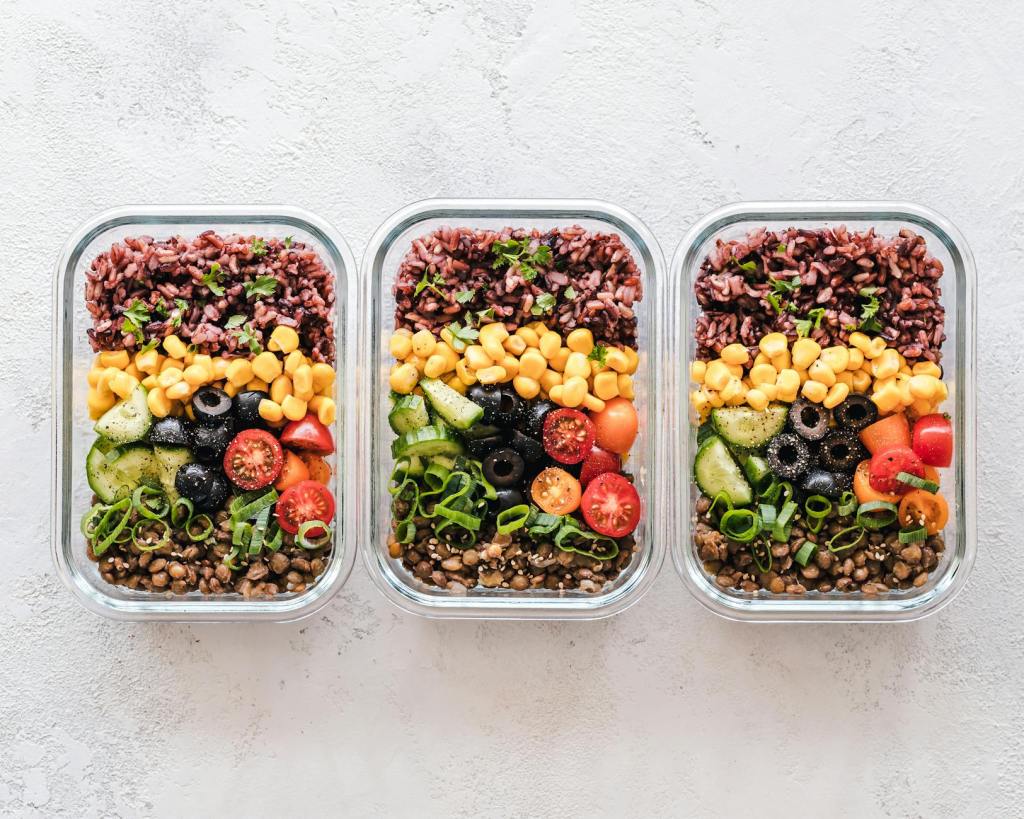
One method of balancing or improving dietary habits involves eating a variety of these whole foods. Different colors of fruits and vegetables provide different antioxidants and phytonutrients that protect cells and support the immune system. “Eating the rainbow” ensures you get a balance of vitamins, minerals, and protective compounds.
- Red foods like tomatoes and watermelon contain lycopene, which supports heart health.
- Orange and yellow foods such as carrots and squash are rich in beta-carotene, supporting vision and immune function.
- Green foods like broccoli, kale, and spinach contain folate, magnesium, and chlorophyll that aid detoxification and energy metabolism.
- Blue and purple foods like blueberries and eggplant contain anthocyanins that support memory and cellular protection.
Protein and Fiber: Essentials for Strength and Gut Health
Adequate protein helps prevent muscle loss, which can occur with age or during recovery from illness. Whether recovering from injury or illness or if training for sport, protein intake is the building block of healing tissues and muscle development. Many studies recommend the benefits of incorporating plant-based proteins such as beans, lentils, quinoa, tofu, and nuts, or lean animal sources if included in your diet.
Fiber feeds your gut microbiome which is the beneficial bacteria that support digestion, immune health, and even mood regulation. Whole grains, fruits with skin, vegetables, and legumes are excellent sources of fiber. You can think of fiber as a sponge that absorbs and cleanses within the gut and helps to keep the GI tract functioning properly. Everyone feels better when the system is in balance, preventing uncomfortable bloating or constipation.
Healthy Aging and Strong Bodies Over Time
Good nutrition is the foundation of healthy aging. Eating balanced, whole foods helps maintain bone density, muscle tone, and cardiovascular resilience. It also supports brain health and cognitive function as we get older. Think of each meal as a chance to invest in your long-term well-being—fueling your body for movement, independence, and vitality in later years.
Regular movement, balanced meals, hydration, rest, and social connection all contribute to a strong, healthy body across the lifespan. Occupational therapy helps clients weave these habits into daily routines so that healthy aging becomes a sustainable lifestyle, not a short-term effort.
How Occupational Therapy Can Support Lifestyle Change
Occupational therapists recognize that knowing what to do and actually doing it are two very different things. Changing habits especially around food, exercise, and wellness can feel overwhelming. That’s where occupational therapy can help.
While occupational therapists are not dietitians, but we focus on helping you develop balance and consistency in your daily routines. For cancer survivors or those managing chronic illness or recovering from injury, OT can support you in the process of rebuilding healthy habits in practical, realistic ways.
Identify Barriers to Making Nutrition and Wellness Changes
The first step in successful lifestyle change is identifying what gets in the way. Barriers might include fatigue, limited time, pain, lack of motivation, or even emotional triggers around eating. An OT can help you explore these barriers and develop adaptive strategies.
For example:
- If fatigue makes meal prep difficult, we might plan for batch cooking, set up a system to prep ingredients when energy is highest, arrange the work area to allow for seated work or divide the task into manageable chunks.
- If lack of time is an issue, we can build short, 10-minute routines into your day for grocery planning or make suggestions to simplify, such as using pre-assembled meal kits or partially prepared (ie: pre-chopped) whole foods.
- If stress leads to unhealthy eating, we can identify sensory or mindfulness-based coping strategies that fit your preferences.
Develop SMART Goals
Goals are more effective when they are Specific, Measurable, Attainable, Relevant, and Time-Bound (SMART). Instead of setting vague goals like “eat healthier,” a SMART goal might be:
- “I will include a serving of vegetables at lunch and dinner five days a week for the next month.”
- “I will drink water instead of soda at least once per day for two weeks.”
Occupational therapy sessions can help you refine these goals and track progress, making sure each step feels realistic and sustainable. Over time, we can adjust the goal to achieve the desired habit changes. By using SMART goals, we meet you where you are in the present moment and support your journey towards health.
Build Action Plans That Fit Into Your Daily Life
A healthy lifestyle doesn’t require a total overhaul overnight, in fact, it’s more important to build consistent routines that work for you. When we do too much, too soon, we can give up if the changes become overwhelming. OTs help break down big goals into smaller, manageable actions.
For example:
- Setting aside Sunday afternoon for meal prep before the busy work week starts
- Keeping healthy snacks visible and easy to grab
- Scheduling a short walk after dinner as part of your evening routine
These changes are more likely to stick because they’re based on your actual schedule, energy level, and daily responsibilities.
Integrate Healthy Habits Across Work, Home, and Leisure Routines
True wellness comes from integration, not isolation. Rather than seeing nutrition or exercise as separate “tasks,” OTs help you weave healthy habits into the flow of your life.
- At work, this might mean keeping water nearby, standing during phone calls, or packing balanced lunches.
- At home, it could include family cooking nights or shared meal planning to make healthy eating social.
- During leisure, it might mean exploring new activities like gardening, farmer’s markets, or community cooking classes that bring joy while promoting health.
Building a Holistic Path to Wellness
Nutrition is a cornerstone of prevention and recovery, but lasting change happens when daily routines align with your health goals. As cancer survivors and individuals recovering from injury or managing chronic conditions know, healing is not just about treating disease, it’s about supporting the whole person in mind, body and spirit.
Food is Medicine: Nourish to Flourish
A balanced, whole-food diet doesn’t just prevent disease—it helps you feel better right now. Eating nutrient-rich foods supports steady energy, enhances mood, and promotes deeper, more restorative sleep. When the body receives the nourishment it needs, it functions with greater clarity, resilience, and calm.
At Katherine Jackson Occupational Therapy, PLLC in Evanston, IL we view nutrition and lifestyle through a holistic lens. Whether you’re a cancer survivor working toward recovery, dealing with the aftermath of an injury, managing a chronic condition, or simply seeking healthy aging, we can help you identify barriers, set SMART goals, and build sustainable routines for lifelong wellness.
Food truly is medicine and daily habits are the prescription for a stronger, healthier future.
Need help with developing attainable nutrition goals? Click the link to learn more about services offered.
 Flourish Recovery & Wellness