
Gentle Care for Optimal Healing
Recovering from surgery can feel overwhelming. Sometimes the skin around the surgical site can feel unfamiliar, tender, or even disconnected from your body. It’s common to feel unsure about touching or cleaning it, but gentle care is essential for healing and preventing complications like infection.
As an OT who see a lot of post-operative clients, I often see avoidance of normal skin care out of fear, which can unintentionally slow healing. A common but preventable post-operative complication is skin infection. These infections often do not arise from the surgical procedure itself, but from fearfulness or misunderstanding of basic skin care recommendations during recovery.
Gentle Cleansing Makes a Difference
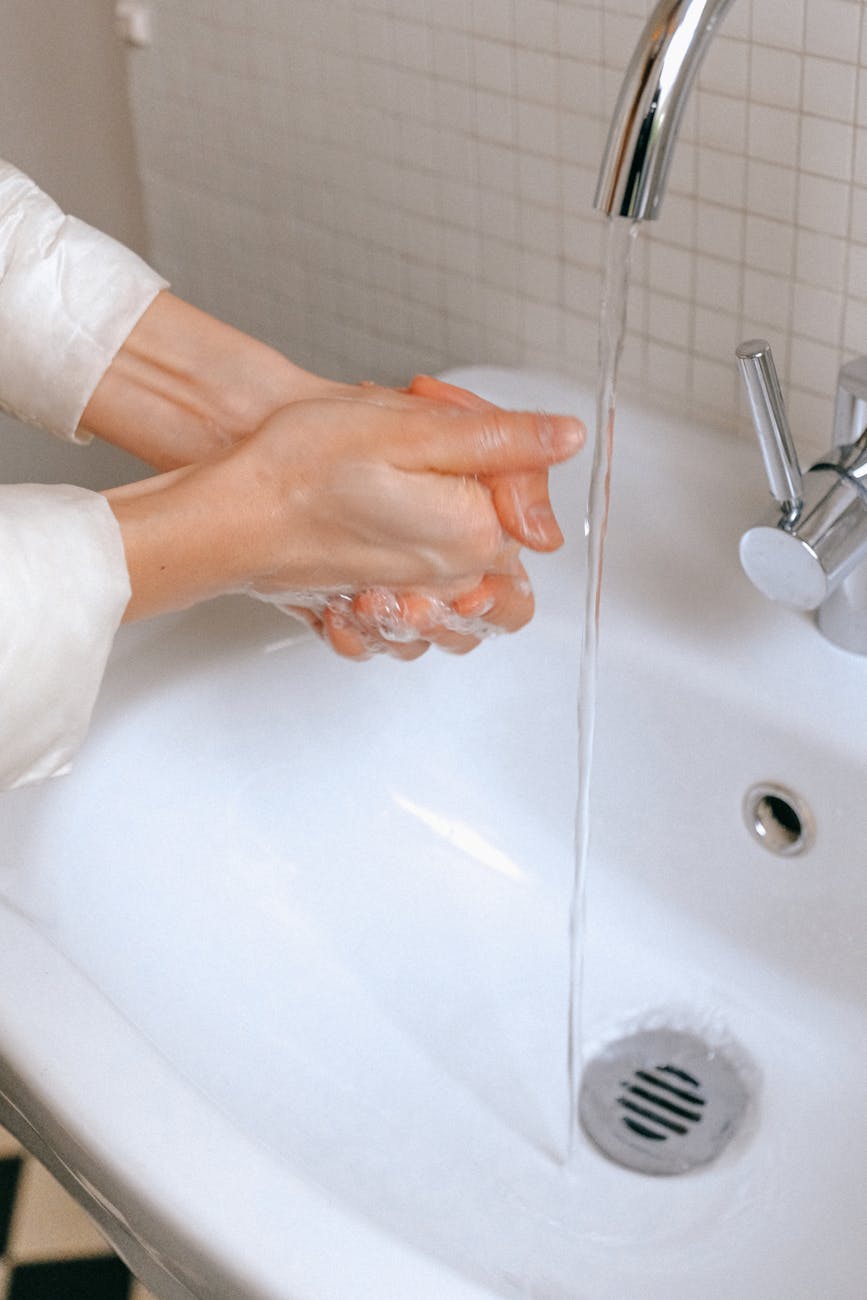
Using a mild, non-soap cleanser such as Cetaphil or CeraVe with water can help remove dirt, oils, and dead skin without irritating the surgical area. And it can feel so soothing to wash the skin.
In hand therapy practice, for example, clients who wear thermoplastic orthoses after surgery often feel hesitant to take the hand out of the supportive brace. But, while the orthosis protects the hand, it also allows perspiration and natural oils to build up. If dried blood was present from a traumatic injury or if orange colored Hibiclens was applied prior to surgery, the appearance can trigger negative emotions.
Some patients cover the orthosis with a plastic bag while showering out of fear. This can lead to a buildup of dead skin. Or can set the stage for moisture build up, especially in a skin-on-skin situation like between the web spaces of the fingers. The hand can start to smell like a gym shoe!
Surgical marker remains intact, steri-strips stay attached longer, and scabs do not loosen. Gentle cleansing with a clean washcloth helps refresh the skin, remove buildup, and support natural healing. The cleaner your hand appears, the more it feels like your hand again. And most importantly, healing skin and clean skin protects against infection.
Moisture and Skin Balance
Skin can feel very different after surgery, making people hesitate to touch it. I often see this following mastectomy or radiation treatments, where the skin often becomes dry, sensitive, or even painful to touch. It’s normal for touching the skin to feel uncomfortable initially.
In these cases, using a mild cleanser with water and applying a soothing moisturizer can help restore balance and encourage healing. Gently rubbing the affected area helps get rid of the dry skin that builds up as a consequence of treatment. Aquaphor or similar products can protect dry or fragile skin allowing it to heal. Keeping the skin moisturized reduces tightness, itching and irritation. This can make your skin feel more like it used to.
Simple Techniques for Safe Care
- Use a clean washcloth each time—never reuse a damp cloth, as bacteria can accumulate.
- Pump dispensers are more sanitary than bar soap.
- Gently pat the skin dry instead of rubbing.
- Make sure the skin is thoroughly dry, especially if there are creases, folds or swelling that allows for a skin-against-skin situation.
- Q-tips, gauze or cotton swabs are handy to clean between folds of tissue.
- Apply moisturizer after each shower and perhaps more than once a day if the skin is very dry.
- Observe the skin: look, feel, and lightly massage if approved by your clinician.
Bandage and Dressing Guidance
Change post-operative bandages according to your surgeon’s instructions. Following this guidance carefully reduces infection risk and supports healing. If you have questions about your instructions, don’t hesitate to ask questions. Sometimes dressing guidelines need to change based on an individual’s response to healing.
Post-operative dressings need to be changed according to your surgeon’s timeline. This may vary depending on incision type, drainage, and overall medical status. Changing dressings too early or too late can increase infection risk, so following medical guidance is essential.
Every surgical procedure has unique requirements, and your surgeon’s post-operative instructions should always guide your care. If you are unsure about anything: bandage changes, showering or which products to use, seek clarification. Clear understanding reduces anxiety and promotes safe, confident home management.
Why This Matters
Healthy skin supports faster, functional recovery. That means a shorter time to return to yourself. Infection, irritation, or delayed healing can increase pain, restrict movement, and significantly prolong rehabilitation timelines, so take initiative to care for your skin.
Empowerment Through Understanding
Pro tip: if the skin is dry, moisturize it; if it’s moist, allow it to dry. Reach out to your doctor about how to apply this tip in your individual case. Checking, touching, and caring for your skin in a thoughtful, gentle way helps your body heal safely and effectively.
Caring for the skin is not optional after surgery; it is a critical component of the healing process. When the skin is neglected due to fear or misunderstanding the risk for infection increases. It may seem comfortable to avoid normal hygiene routines out of fear of harming the incision or disrupting dressings, but in reality, gentle cleansing and consistent moisture balance are essential for optimal recovery.
Healing is not just about following instructions, it’s about feeling confident in caring for your body. Gentle, consistent skin care supports recovery and helps you feel connected to your hand or surgical site again. Even small actions, like refreshing the skin during a shower or applying moisturizer, can make a significant difference in comfort, mobility, and overall healing.
Gentle care, mindful touch, confident healing
If you need an Occupational Therapist for your post-op recovery in Evanston, IL, click on the link below to learn more about my services.
 Flourish Recovery & Wellness