
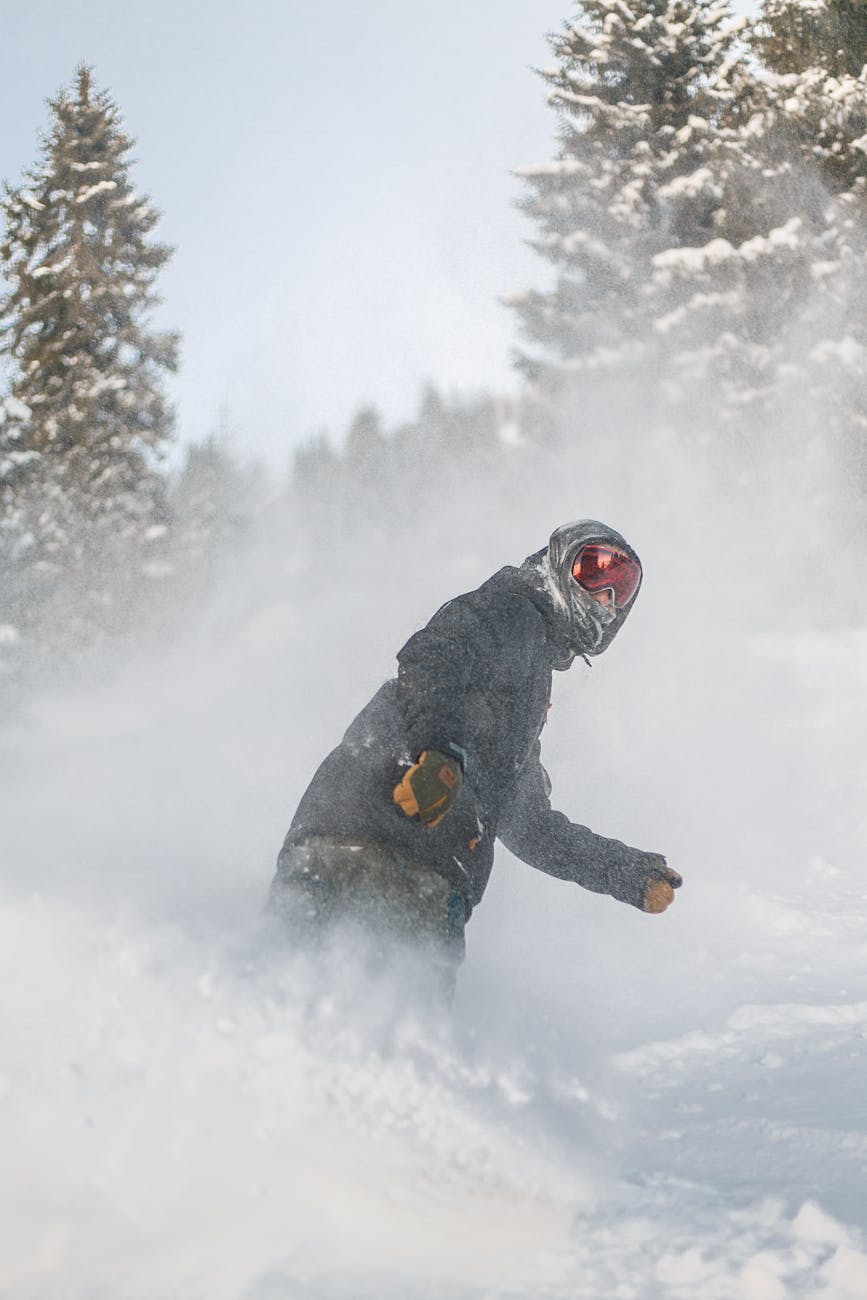
Protecting Your Hands and Wrists on the Slopes
Winter sports like skiing and snowboarding provide a unique combination of excitement, exercise, and fresh mountain air. From the adrenaline of downhill skiing to the endurance challenge of cross-country trails, these activities engage the whole body. However, the fun comes with a risk: upper extremity injuries are common, particularly to the hands, wrists, and forearms. Understanding these risks, knowing how to prevent injuries, and recognizing when to seek specialized care can keep you on the slopes safely.
Common Upper Extremity Injuries in Winter Sports
Winter sports injuries often occur due to falls, collisions, or repetitive use of the hands and wrists. Here are the most frequent injuries affecting skiers and snowboarders:
Wrist Sprains and Fractures
- Mechanism: Forward falls, especially when skiers or snowboarders extend their hands to break a fall, can lead to wrist sprains or fractures.
- Symptoms: Pain, swelling, bruising, and decreased range of motion.
- Impact: Untreated injuries can lead to chronic instability, reduced grip strength, or arthritis later on.
Thumb Injuries (“Skier’s Thumb” / UCL Tear)
- Mechanism: The ligament at the base of the thumb is stressed when the thumb is bent backward, often while holding ski poles during a fall.
- Symptoms: Pain at the thumb base, swelling, difficulty pinching, or grasping objects.
Finger and Hand Sprains
- Mechanism: Fingers may catch on equipment, collide with objects, or be jammed during a fall.
- Symptoms: Pain, bruising, swelling, and limited finger mobility.
Overuse Injuries
- Mechanism: Both cross-country skiing and snowboarding rely on repetitive gripping, pole planting, and weight-bearing through the arms and hands. Overuse can strain the forearm muscles, tendons, and wrist.
- Symptoms: Aching, fatigue, or tingling during or after activity.
Injury Prevention: Keeping Your Upper Extremities Safe
Prevention is key. With the right strategies, you can reduce your risk of injury while maximizing your performance on the slopes:
Protective Gear
- Wrist guards are particularly important for snowboarders, who fall forward more frequently.
- Well-fitted gloves or mittens provide support and insulation without restricting movement.
- Poles with ergonomic grips reduce stress on the thumb and wrist.
Warm-Up and Stretching
- Focus on wrists, forearms, and hands before hitting the slopes.
- Gentle wrist circles, finger stretches, and forearm flexor/extensor stretches improve circulation and flexibility.
Strengthening Exercises
- Strengthen your grip, wrist, and forearm muscles with resistance bands, hand grippers, and wrist curls.
- Core and shoulder strength also help absorb impact and improve balance, indirectly protecting your wrists.
- Train ahead of time if you haven’t been on the slopes or trails since last winter!
Falling Techniques
- Learn to roll when falling rather than extending your hands straight out.
- Keep elbows slightly bent to reduce the force transmitted to the wrists.
Pacing and Rest
- Fatigue increases the risk of falls and overuse injuries.
- Be sure that your level of fitness matches the challenge you take on. Study the terrain ahead of time.
- Take regular breaks, stay hydrated, and avoid skiing or snowboarding when tired.
When to See a Hand Therapist
Slips and falls may seem like a minor injury, but if pain lingers, have it evaluated sooner rather than later. Even minor pain, swelling, or bruising can affect your performance and long-term function. Seeing a hand therapist early can make a significant difference in recovery and prevent chronic problems or lasting pain.
You should seek evaluation if you notice:
- Persistent pain or swelling in the wrist, thumb, or fingers
- Difficulty gripping, holding, or using your hands for daily activities
- Numbness, tingling, or reduced range of motion
- Instability, weakness, or inability to perform your sport comfortably
How Hand Therapy Can Help After a Winter Sports Injury
Hand therapy is a specialized form of occupational therapy that focuses on the rehabilitation of the upper quarter after injury, surgery, or overuse. For skiers and snowboarders, early intervention can reduce pain, restore function, and prevent long-term complications.
Pain, Swelling, and Inflammation Management
After a fall or repetitive use injury, pain, swelling, and inflammation are common. Hand therapists employ a variety of techniques to address these symptoms:
- Soft Tissue Mobilization: Gentle massage and myofascial techniques, including trigger point dry needling, improve circulation, reduce stiffness, and break up scar tissue or adhesions.
- Kinesthetic Elastic Tape: Provides support to injured ligaments or muscles, decreases pain, and improves proprioception while allowing movement.
- Edema Management: Techniques such as manual lymphatic drainage, compression wraps or gloves, and elevation help reduce swelling and prevent stiffness in the hand and wrist.
Restoring Strength, Dexterity, and Range of Motion
Once acute pain and swelling are under control, hand therapy focuses on regaining movement and function.
- Tendon Gliding Exercises: These exercises help maintain and restore smooth tendon movement, preventing adhesions that can limit finger and wrist motion.
- Neural Gliding: Gentle nerve mobilization techniques address symptoms such as tingling, numbness, or nerve irritation, which can occur after trauma or swelling.
- Functional Activities: Therapists use everyday tasks and sport-specific activities to restore hand coordination, grip strength, and fine motor control in meaningful ways.
- Progressive Strengthening: Resistance bands, putty exercises, and grip-strengthening tools gradually rebuild the muscles of the hand, wrist, and forearm to support falls and repetitive motions on the slopes.
Orthotic Intervention
Hand therapists often use custom or prefabricated orthoses (splints) to:
- Protect injured ligaments or joints during healing
- Support weak muscles or unstable joints
- Provide long-term joint protection for arthritic joints
- Maintain proper alignment while allowing safe movement
- Reduce pain during sport-specific activities
For example, a thumb spica splint can stabilize a skier’s thumb after a UCL injury, while a wrist support can protect a healing wrist fracture. Orthoses are tailored to your injury and daily or sport-specific needs, balancing protection with mobility.
Education and Prevention
In addition to hands-on therapy, hand therapists educate patients on:
- Safe techniques for falling and gripping equipment
- Stretching and strengthening routines to prevent re-injury
- Strategies for managing workload and fatigue during skiing or snowboarding
Hand therapy combines hands-on interventions, exercise, orthotics, and patient education to restore function and prevent future injury. Whether addressing acute trauma, overuse injuries, or post-surgical recovery, hand therapy helps skiers and snowboarders reduce pain, regain dexterity, and return to sports safely.
Winter sports are a fantastic way to stay active, but your hands and wrists need care too. Protect them, strengthen them, and address injuries early, so you can enjoy skiing and snowboarding for years to come.
At Katherine Jackson Occupational Therapy, PLLC in Evanston IL, we specialize in hand and upper extremity care. Whether you’re recovering from a fall, managing overuse injuries, or seeking preventative strengthening programs, we provide individualized therapy designed to get you back on the slopes safely and confidently.
Need an evaluation? Click below to reach my website and connect.
 Flourish Recovery & Wellness