
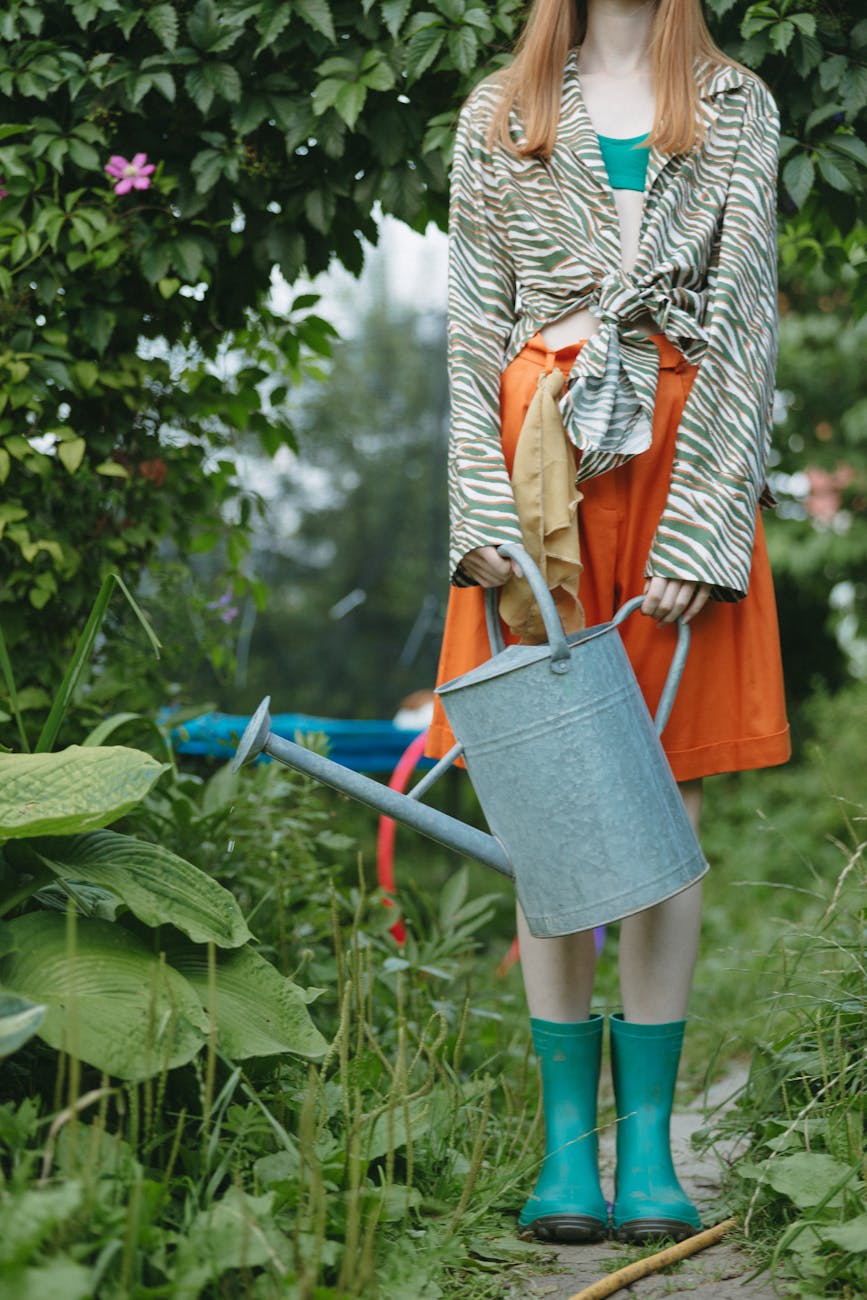
Cultivating Health, Balance, and Joy
At Katherine Jackson Occupational Therapy, PLLC, we encourage meaningful, restorative activities that support both physical and emotional well-being. Gardening is one of those rare occupations that offers benefits across the body, mind, and spirit. Whether tending a small container garden or managing a full backyard space, gardening can be a deeply rewarding practice when approached with intention and care.
The Whole-Person Benefits of Gardening
Gardening is more than a hobby, it is a therapeutic occupation that naturally integrates movement, creativity, and mindfulness.
Physically, gardening promotes gentle strengthening, mobility, and endurance. Activities like digging, planting, weeding, and watering engage the upper and lower body while encouraging functional movement patterns.
Artistically, gardening allows for creativity and personal expression. Choosing plant combinations, designing layouts, and watching your vision come to life can be incredibly fulfilling.
Emotionally, time spent outdoors and connecting with nature has been shown to reduce stress, improve mood, and support overall mental health. The act of nurturing plants can also foster a sense of purpose and accomplishment.
Spiritually, gardening often provides a sense of grounding and connection, to nature, to the seasons, and to something larger than oneself. Many people find it to be a meditative and restorative experience.
As an OT, I want you to enjoy gardening for life! My father at age 84, works in his garden daily, garnering neighborhood recognition, and my grandmother at age 92 tended to her assortment of potted plants. Don’t let gardening injuries interfere with this health-promoting activity.
The Challenge of a Short and Unpredictable Season
In regions with long winters and unpredictable spring weather, the gardening season can feel fleeting. Warmer days may inspire a sudden surge of activity. This can lead us to do too much, too quickly.
This “all-at-once” approach often results in overuse, fatigue, and injury. After months of reduced outdoor activity, the body may not be prepared for prolonged bending, lifting, or repetitive tasks. Occupational therapy frequently sees an increase in gardening-related injuries during this time of year.
Common Gardening Injuries Seen in OT
Some of the most common issues we treat include:
- Lacerations from sharp tools or plant materials
- Tendinitis from repetitive gripping, digging, or pruning
- Sprains or fractures due to slips, trips, or uneven ground
- Neck, shoulder, elbow, wrist or hand pain from poor alignment, inadequate tools or overuse
These injuries can interrupt not only gardening, but also daily routines and overall function.
Prevention Starts with Planning and Pacing
A successful and sustainable gardening season starts with thoughtful planning.
- Break large projects into smaller tasks spread out over days or weeks
- Enlist help for managing heavy loads
- Alternate between heavier and lighter activities
- Set time limits to avoid overexertion
- Pay attention to early signs of fatigue or discomfort
Pacing is essential. Doing less in a single day often allows you to do more over the entire season.
Warm Up and Cool Down
Just like any physical activity, gardening should begin with a gentle warm-up and end with a cool-down.
- Start with light movements such as shoulder rolls, gentle stretching, and short walks
- Gradually ease into more demanding tasks
- After gardening, stretch key muscle groups such as the back, hips, shoulders, and hands
- Allow time for recovery, especially after longer sessions
These simple habits can significantly reduce the risk of strain and injury.
Use Protective Gear and Adaptive Tools
Protective equipment and thoughtful tool selection can go a long way in preventing injury.
- Wear gloves to protect against cuts, blisters, and skin irritation
- Use supportive footwear with good traction to reduce fall risk
- Consider knee pads or a gardening bench to minimize strain during low-level work
- Choose ergonomic tools with larger grips to reduce stress on the hands and wrists
- Keep tools well-maintained to ensure safe and efficient use
Small adjustments can make a big difference in both safety and comfort.
Listen to Your Body
Pain, stiffness, and fatigue are signals to you. Don’t treat these messages as obstacles to push through. Ignoring these signs can lead to more significant issues over time.
If you are already experiencing discomfort, it is worth addressing early. Occupational therapy can provide individualized strategies to support your body, modify activities, and prevent further injury.
When to See an Occupational Therapist
If aches and pains are limiting your ability to garden (or if you want to prevent issues before they start) working with an occupational therapist can be highly beneficial.
At Katherine Jackson Occupational Therapy, PLLC, we help clients:
- Improve body mechanics and movement patterns
- Develop personalized pacing strategies
- Address joint instability or pain
- Recommend adaptive tools and supports
- Build strength and tolerance for seasonal activities
- Fabricate or recommend orthotics (hand supports)
Our goal is to help you continue doing what you love, safely and sustainably.
Cultivating a Sustainable Practice
Gardening should be a source of joy, not strain. With the right approach, it can remain a meaningful and nourishing part of your routine throughout the season.
By pacing yourself, preparing your body, and using the right supports, you can cultivate not only a thriving garden, but also your own health and well-being.
If you are looking for an OT consultation and live near Evanston, IL, click the link below for my website.

